Deep inside the lush green forests of North Bengal lies a fascinating destination that combines nature, wildlife, and education—the Rajabhatkhawa Museum. Located near the famous Buxa Tiger Reserve, this museum is an excellent place for travelers who want to learn about the rich biodiversity of the Eastern Himalayas and the forests of West Bengal.
Unlike traditional museums that focus on kings and ancient artifacts, Rajabhatkhawa Museum introduces visitors to wildlife conservation, forest ecosystems, and the unique plants and animals found in the region. It is a must-visit attraction for nature lovers, students, photographers, and families exploring North Bengal.
History and Importance of Rajabhatkhawa Museum
Rajabhatkhawa Museum is managed by the Forest Department and serves as an interpretation center for the Buxa Tiger Reserve.
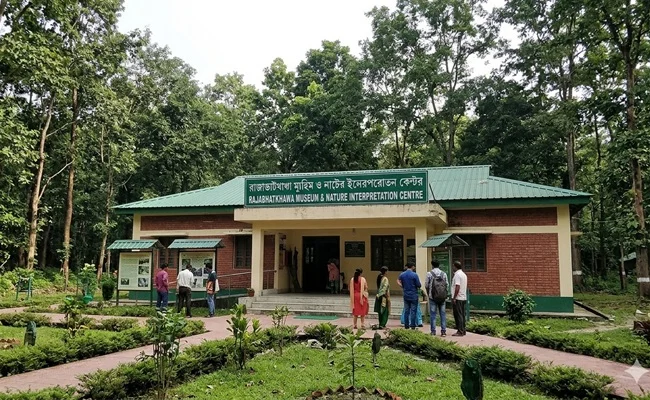
The museum was established to educate visitors about the ecological importance of the reserve and the diverse wildlife that inhabits the forests of the Dooars region. Over the years, it has become an important educational attraction where tourists can learn about conservation efforts, endangered species, forest habitats, and local biodiversity.
The museum plays a key role in promoting environmental awareness and responsible tourism in one of India’s most important wildlife regions.
Location and Address
Address:
Nature Interpretation Centre (Rajabhatkhawa Museum), Rajabhatkhawa, Alipurduar District, West Bengal 735227, India.
The museum is located at Rajabhatkhawa, which serves as the gateway to the famous Buxa Tiger Reserve.
How to Reach Rajabhatkhawa Museum
By Air
The nearest airport is Bagdogra Airport, located approximately 180 km away. From the airport, visitors can hire taxis or use public transport to reach Rajabhatkhawa.
By Train
The nearest railway station is Rajabhatkhawa Railway Station, located very close to the museum. Another major railhead is Alipurduar Junction, which has excellent connectivity with various cities in India.
By Road
Rajabhatkhawa is well connected by road to Alipurduar, Siliguri, Jalpaiguri, and nearby towns. Regular buses, taxis, and shared vehicles are available.
Rajabhatkhawa Museum Timings
The museum generally operates during the following hours:
| Day | Timing |
| Monday to Sunday | 9:00 AM – 4:30 PM |
Timings may vary during holidays, maintenance work, or special forest department schedules.
Rajabhatkhawa Museum Ticket Price
One of the best things about the museum is its affordable entry fee.
Approximate Ticket Price
| Category | Ticket Price |
| Adults | ₹20 – ₹50 |
| Children | Discounted rates may apply |
| Camera Charges | Additional charges if applicable |
Ticket prices are subject to change, so visitors should verify the latest information before visiting.
What to See Inside the Museum
The museum offers several interesting exhibits related to wildlife and forest conservation.
Wildlife Exhibits
Visitors can learn about the animals found in Buxa Tiger Reserve, including:
- Royal Bengal Tiger
- Indian Elephant
- Leopard
- Gaur (Indian Bison)
- Various deer species
Bird Information Gallery
The region is home to numerous bird species, and the museum provides information about local and migratory birds.
Forest Ecosystem Displays
Educational exhibits explain how forests function and support wildlife.
Animal Models and Specimens
The museum features preserved specimens, models, and displays that help visitors understand wildlife better.
Biodiversity Exhibits
Visitors can explore information about plants, insects, reptiles, and mammals found in the reserve.
Conservation Awareness Displays
Several sections highlight conservation efforts, environmental protection, and wildlife preservation programs.
Visitor Experience
Visitors often describe Rajabhatkhawa Museum as educational, peaceful, and family-friendly.
The museum may not be large, but it provides valuable information about the forests and wildlife of North Bengal. The surrounding greenery and proximity to Buxa Tiger Reserve add to the overall experience.
Nature lovers and students especially appreciate the museum’s informative displays and conservation-focused exhibits.
Facilities Available
The museum offers basic visitor amenities such as:
- Parking area
- Washrooms
- Drinking water facilities
- Information boards
- Seating areas
- Ticket counter
- Security services
- Open spaces for photography
Facilities may be limited compared to major city museums, but they are generally sufficient for visitors.
Best Time to Visit Rajabhatkhawa Museum
The best time to visit is between October and March.
During these months, the weather remains pleasant, and wildlife tourism activities around Buxa Tiger Reserve are more enjoyable.
Seasonal Guide
Winter (October to March)
- Pleasant weather
- Excellent for sightseeing
- Best wildlife tourism season
Summer (April to June)
- Warm temperatures
- Morning visits recommended
Monsoon (July to September)
- Heavy rainfall possible
- Lush green landscapes
- Some forest activities may be restricted
Nearby Places to Visit
Buxa Tiger Reserve
The most popular attraction near the museum, known for its rich biodiversity and wildlife.
Buxa Fort
A historic fort located within the reserve that can be reached through a scenic trek.
Jayanti
A beautiful riverside destination surrounded by forests and hills.
Chilapata Forest
A famous wildlife and eco-tourism destination in North Bengal.
Jaldapara National Park
Known for its population of one-horned rhinoceroses and elephant safaris.
Pros and Cons
Pros
- Affordable ticket price
- Educational and informative
- Great for nature lovers
- Family-friendly attraction
- Located near Buxa Tiger Reserve
- Peaceful natural surroundings
Cons
- Limited food and refreshment options
- Smaller compared to major city museums
- Basic facilities
Frequently Asked Questions (FAQs)
What is the timing of Rajabhatkhawa Museum?
The museum is generally open from 9:00 AM to 4:30 PM daily.
What is the ticket price of Rajabhatkhawa Museum?
The ticket price usually ranges between ₹20 and ₹50, although rates may vary.
How much time is needed to explore the museum?
Most visitors spend about 1 to 2 hours exploring the exhibits.
Is photography allowed inside the museum?
Photography policies may vary, so visitors should check with museum authorities before taking pictures.
What is the best time to visit Rajabhatkhawa Museum?
The best time to visit is from October to March when the weather is pleasant and wildlife tourism is at its peak.
Is the museum suitable for children?
Yes. Children can learn about wildlife, forests, and environmental conservation through the museum’s educational displays.
Conclusion
Rajabhatkhawa Museum is a unique destination that offers much more than traditional museum exhibits. It serves as a gateway to understanding the incredible biodiversity of North Bengal and the importance of wildlife conservation. Whether you are visiting Buxa Tiger Reserve, exploring the Dooars region, or simply looking for an educational family outing, the museum provides a meaningful and enjoyable experience. Its affordable ticket price, informative displays, and beautiful natural surroundings make it a worthwhile stop for every traveler.