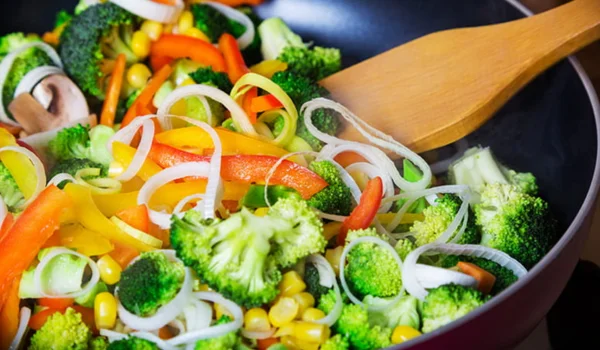
The kitchen is one of the most important areas of every home because it is where food is prepared and stored. However, poor kitchen hygiene can allow harmful bacteria, viruses, and other contaminants to enter food and cause food poisoning.
Simple habits like washing hands, storing food properly, cleaning surfaces, and cooking food at the right temperature can significantly reduce the risk of illness.
Maintaining kitchen hygiene is not only about cleanliness but also about protecting the health of your family.
What Is Food Poisoning?

Food poisoning is an illness caused by consuming food or drinks contaminated with harmful substances such as:
- Bacteria
- Viruses
- Parasites
- Toxins
- Harmful chemicals
Common symptoms include:
- Stomach pain
- Nausea
- Vomiting
- Diarrhoea
- Fever
- Weakness
Proper kitchen hygiene helps prevent many food-related illnesses.
Why Is Kitchen Hygiene Important?
Good kitchen hygiene helps to:
- Prevent the growth of harmful germs
- Keep food fresh and safe
- Avoid cross-contamination
- Protect children and elderly family members
- Reduce food waste
Small daily habits can create a safer cooking environment.
Kitchen Hygiene Habits That Prevent Food Poisoning
- Wash Your Hands Before Handling Food
Hands can carry germs from many surfaces and transfer them to food.
Always wash your hands:
- Before cooking
- Before eating
- After using the washroom
- After touching raw meat or eggs
- After handling garbage
Use soap and clean water and wash hands properly.
- Keep Kitchen Surfaces Clean
Kitchen counters, tables, and cutting areas can collect bacteria.
Clean surfaces:
- Before preparing food
- After cooking
- After handling raw ingredients
Use clean cloths and regularly wash kitchen towels.
- Separate Raw and Cooked Food
One of the biggest causes of food contamination is cross-contamination.
Keep separate:
- Raw meat
- Vegetables
- Cooked food
- Ready-to-eat items
Use separate cutting boards if possible.
For example:
- One board for raw meat
- Another board for fruits and vegetables
- Wash Fruits and Vegetables Properly
Fresh produce may contain:
- Dirt
- Pesticide residues
- Germs
Before eating or cooking:
- Wash vegetables and fruits properly
- Remove damaged portions
- Clean leafy vegetables carefully
Avoid washing produce with harmful chemicals not meant for food cleaning.
- Cook Food Properly
Proper cooking helps destroy harmful germs.
Make sure:
- Meat is cooked completely
- Eggs are properly cooked
- Leftovers are reheated properly
Avoid eating undercooked food, especially high-risk foods.
- Store Food at the Right Temperature
Incorrect storage can allow bacteria to multiply.
Follow these habits:
- Refrigerate perishable foods quickly
- Do not leave cooked food outside for long periods
- Keep refrigerator temperature suitable
- Store raw and cooked foods separately
- Keep the Refrigerator Clean
A dirty refrigerator can become a place for bacteria growth.
Regularly:
- Clean shelves
- Remove expired food
- Wipe spills immediately
- Organise food properly
Do not overcrowd the refrigerator because proper airflow is needed.
- Check Expiry Dates
Always check:
- Manufacturing date
- Expiry date
- Best before date
Avoid using:
- Expired products
- Swollen food packets
- Foods with unusual smell or appearance
- Store Food in Clean Containers
Use clean and dry containers for food storage.
Good storage practices:
- Keep containers covered
- Label leftovers with dates
- Avoid storing food in damaged containers
Clean containers reduce the chance of contamination.
- Wash Kitchen Tools Properly
Kitchen tools can spread germs if not cleaned properly.
Clean regularly:
- Knives
- Cutting boards
- Plates
- Spoons
- Mixers
- Cooking utensils
Pay extra attention after preparing raw meat or seafood.
- Replace Kitchen Towels Regularly
Kitchen towels can collect bacteria because they are often used repeatedly.
Good habits:
- Wash towels frequently
- Dry them properly
- Avoid using the same towel for cleaning hands and surfaces
- Keep Garbage Bins Clean
Garbage can attract insects and spread germs.
Follow these practices:
- Use covered bins
- Empty garbage regularly
- Clean the bin frequently
- Wash hands after handling waste
- Keep Pests Away From the Kitchen
Pests like insects and rodents can contaminate food.
Prevent them by:
- Keeping food covered
- Sealing cracks and openings
- Storing grains properly
- Maintaining cleanliness
- Avoid Tasting Food With Used Spoons
Using the same spoon repeatedly can introduce germs into food.
Use:
- A clean spoon for tasting
- Separate serving utensils
- Wash Reusable Grocery Bags
Reusable bags can collect dirt and bacteria over time.
Clean them regularly, especially if they are used for:
- Vegetables
- Meat
- Dairy products
- Handle Leftovers Safely
Leftovers should be stored carefully.
Tips:
- Cool food before storing
- Keep in clean containers
- Refrigerate within a safe time
- Reheat properly before eating
Avoid repeatedly heating and cooling the same food.
- Keep Personal Hygiene While Cooking
Before cooking:
- Tie long hair
- Keep nails clean
- Cover cuts and wounds
- Avoid cooking when seriously ill
Personal cleanliness directly affects food safety.
Common Kitchen Hygiene Mistakes to Avoid
- Using the Same Cutting Board for Everything
This can transfer germs from raw foods to vegetables and cooked items.
- Leaving Cooked Food Outside Too Long
Room temperature can encourage bacterial growth.
- Ignoring Refrigerator Cleaning
Expired and spoiled food can contaminate other items.
- Using Dirty Kitchen Cloths
Cloths can spread germs across surfaces.
- Washing Hands Improperly
A quick rinse is not enough. Proper handwashing is important.
Daily Kitchen Hygiene Routine
Before Cooking
✓ Wash hands
✓ Clean cooking surfaces
✓ Check ingredients
✓ Use clean utensils
During Cooking
✓ Separate raw and cooked foods
✓ Avoid touching unnecessary surfaces
✓ Cook food properly
After Cooking
✓ Clean utensils
✓ Store leftovers safely
✓ Wipe surfaces
✓ Dispose of waste properly
Weekly Kitchen Cleaning Checklist
✓ Clean refrigerator shelves
✓ Wash kitchen towels
✓ Clean storage containers
✓ Check expired products
✓ Clean cooking appliances
✓ Remove unnecessary items
Food Safety Checklist
✓ Wash hands before cooking
✓ Keep raw and cooked foods separate
✓ Cook food properly
✓ Store food safely
✓ Keep kitchen surfaces clean
✓ Check expiry dates
✓ Protect food from pests
✓ Maintain personal hygiene
Final Thoughts
Preventing food poisoning starts with simple kitchen habits. Clean hands, safe food storage, proper cooking, and regular cleaning can protect your family from many food-related illnesses.
Kitchen hygiene does not require complicated steps. Consistent small actions every day can create a safer cooking environment and ensure that the food you prepare remains fresh, healthy, and safe to eat.