Buying a house is one of the biggest financial decisions most people will ever make. A beautiful home may look perfect during a visit, but hidden problems like poor construction, legal issues, water leakage, or inadequate infrastructure can lead to expensive repairs and stress later.
Whether you’re purchasing your first home, upgrading to a larger property, or investing in real estate, this house buying checklist will help you make a confident and informed decision. Use these practical tips before signing any agreement or making a payment.
Why You Should Never Buy a House Without a Checklist
Many buyers focus only on the price, location, or appearance of a property. However, a home should also be checked for its legal status, structural quality, maintenance needs, and future resale value.
A proper inspection can help you:
- Avoid costly repairs after moving in
- Verify that the property is legally clear
- Identify construction defects
- Estimate future maintenance costs
- Make a smarter long-term investment
- Verify Property Documents
Before paying a booking amount, confirm that all important documents are available and valid.
Check for:
- Sale deed
- Title deed
- Encumbrance certificate
- Property tax receipts
- Approved building plan
- Completion or occupancy certificate (if applicable)
If you’re unsure about any document, consider getting it reviewed by a property lawyer.
- Check the Location Carefully
A good location adds convenience and increases the property’s future value.
Look for:
- Schools and colleges nearby
- Hospitals and pharmacies
- Grocery stores and markets
- Public transport access
- Road connectivity
- Future infrastructure projects
Visit the area during both daytime and evening to understand traffic, safety, and noise levels.
- Inspect the Construction Quality
A fresh coat of paint can hide poor workmanship.
Look closely at:
- Wall cracks
- Ceiling condition
- Floor level and tiles
- Door and window alignment
- Staircase quality
- Balcony railings
Small defects are common, but major structural problems should not be ignored.
- Look for Water Leakage and Dampness
Water damage is one of the most common problems in Indian homes.
Inspect:
- Bathroom walls
- Kitchen sink area
- Ceiling corners
- Terrace
- Exterior walls
- Under wash basins
Signs like peeling paint, damp patches, or mold may indicate hidden leakage.
- Test Plumbing Fixtures
Open every tap and flush each toilet.
Check:
- Water pressure
- Drainage speed
- Leaking pipes
- Shower fittings
- Kitchen plumbing
- Water heater connections
- Check Electrical Safety
Electrical repairs can be expensive if problems are discovered later.
Inspect:
- Switches and sockets
- Distribution board
- Circuit breakers
- Ceiling lights
- Power backup
- Earthing system
- Measure Room Sizes
Rooms often appear larger in photographs than they actually are.
Verify:
- Carpet area
- Built-up area
- Usable living space
- Storage areas
- Balcony dimensions
Take your own measurements if possible.
- Check Ventilation and Natural Light
A bright, well-ventilated home is more comfortable and energy-efficient.
Notice:
- Number of windows
- Cross ventilation
- Sunlight during the day
- Air circulation
- Direction the house faces
- Inspect the Roof and Terrace
Roof repairs can be expensive.
Check for:
- Water seepage
- Broken waterproofing
- Drainage outlets
- Cracks
- Loose tiles
- Ask About Water Supply
Water availability varies across Indian cities.
Find out:
- Water source
- Daily supply timings
- Borewell availability
- Water storage capacity
- Water quality
- Check Parking Facilities
Make sure the parking space meets your needs.
Verify:
- Dedicated parking
- Visitor parking
- Two-wheeler parking
- EV charging availability (if needed)
- Evaluate Security
Safety should be a top priority.
Check:
- CCTV cameras
- Security guards
- Entry control systems
- Fire safety equipment
- Emergency exits
- Understand Monthly Maintenance Charges
Ask about recurring expenses, such as:
- Maintenance fees
- Water charges
- Parking charges
- Clubhouse fees
- Security charges
- Inspect Common Areas
If buying in a housing society, inspect:
- Lifts
- Staircases
- Corridors
- Garden
- Children’s play area
- Clubhouse
- Gym
Poorly maintained common areas may indicate weak society management.
- Research the Builder or Seller
Before making a payment:
- Read online reviews.
- Check previous projects.
- Ask current residents about their experience.
- Verify delivery history.
- Confirm after-sales support.
- Check Mobile Network and Internet Connectivity
Reliable connectivity is essential for work, study, and entertainment.
Test:
- Mobile signal strength
- Broadband availability
- Fiber internet options
- Look for Signs of Pest Problems
Inspect:
- Wooden furniture
- Kitchen cabinets
- Wall corners
- Ceiling edges
- Bathroom cabinets
Look for termites, cockroaches, or rodent activity.
- Verify Nearby Development Plans
Future construction can affect your quality of life.
Check for:
- Upcoming highways
- Metro projects
- Commercial developments
- Industrial areas
- High-rise construction nearby
- Estimate Future Maintenance Costs
Some homes require higher upkeep than others.
Consider:
- Age of the building
- Exterior paint condition
- Plumbing age
- Electrical wiring
- Waterproofing needs
- Visit the Property More Than Once
Never rely on a single visit.
Visit:
- Morning
- Afternoon
- Evening
- Weekend
This helps you evaluate traffic, noise, lighting, and neighborhood activity.
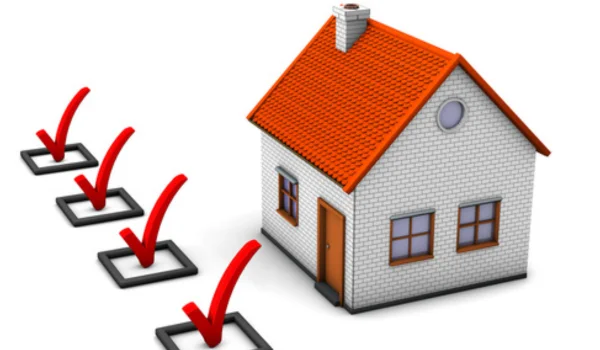
Quick House Buying Checklist
Before buying a house, make sure you have checked:
- ✔ Legal documents
- ✔ Construction quality
- ✔ Plumbing
- ✔ Electrical system
- ✔ Water leakage
- ✔ Roof condition
- ✔ Natural lighting
- ✔ Ventilation
- ✔ Parking
- ✔ Security
- ✔ Water supply
- ✔ Internet connectivity
- ✔ Maintenance charges
- ✔ Common amenities
- ✔ Builder reputation
Common Mistakes Home Buyers Make
Avoid these mistakes:
- Buying without verifying documents
- Ignoring water leakage
- Skipping electrical inspections
- Not checking maintenance costs
- Relying only on online photos
- Forgetting to inspect the neighborhood
- Making a decision after just one visit
Frequently Asked Questions
What should I check first before buying a house?
Start by verifying the property’s legal documents and ownership. Then inspect the construction quality, plumbing, electrical systems, and location.
Is a home inspection necessary in India?
Yes. Even newly built homes can have issues such as poor finishing, plumbing leaks, or electrical defects. A careful inspection can save significant repair costs later.
How many times should I visit a property before buying?
It’s a good idea to visit at least two or three times at different times of the day to assess traffic, noise, sunlight, and the surrounding neighborhood.
What documents should I verify?
Key documents include the sale deed, title deed, approved building plan, property tax receipts, encumbrance certificate, and occupancy or completion certificate where applicable.
Should I check future development plans near the property?
Yes. Upcoming roads, metro lines, commercial projects, or industrial developments can affect traffic, noise, and future property value.
Buying a home is more than choosing a property that looks attractive. Taking the time to inspect the house, verify the documents, and understand future costs can help you avoid expensive surprises and make a confident investment for years to come.