A business model explains how a company creates value for customers, delivers products or services, and earns money. It defines how a business operates, who its customers are, what it offers, and how it generates revenue.
Whether it is a small local shop, startup, or large corporation, every successful business works on a specific business model. Understanding business models helps entrepreneurs plan their businesses, identify revenue opportunities, and create sustainable growth strategies.
Quick Highlights
| Feature | Details |
| Meaning | A plan showing how a business creates and earns value |
| Main Purpose | Generate revenue and achieve growth |
| Includes | Customers, products, pricing, operations, revenue |
| Used By | Startups, small businesses, and large companies |
What Is a Business Model?
A business model is a framework that explains how a business works and makes money.
It answers important questions:
- Who are your customers?
- What problem does your business solve?
- What products or services do you provide?
- How will customers pay you?
- What are your costs?
- How will the business grow?
In simple words:
A business model is the strategy a company uses to earn revenue by providing value to customers.
Key Elements of a Business Model
A successful business model usually includes these important components:
- Customer Segment
This defines who the business serves.
Examples:
- Students
- Working professionals
- Businesses
- Families
- Online shoppers
A company must understand its target customers before creating products.
- Value Proposition
The value proposition explains why customers should choose your product or service.
Examples:
- Lower prices
- Better quality
- Faster delivery
- Convenience
- Unique features
Example:
A food delivery company provides convenience by delivering meals directly to customers’ homes.
- Revenue Model
The revenue model explains how the business earns money.
Common methods include:
- Product sales
- Subscription fees
- Advertising income
- Commission charges
- Licensing fees
- Distribution Channels
Channels explain how products or services reach customers.
Examples:
- Physical stores
- Websites
- Mobile apps
- Online marketplaces
- Sales teams
- Cost Structure
This includes all expenses required to run the business.
Examples:
- Employee salaries
- Rent
- Marketing costs
- Manufacturing expenses
- Technology costs
- Key Resources
Resources required to operate the business.
Examples:
- Employees
- Technology
- Equipment
- Brand reputation
- Intellectual property
- Key Activities
Important tasks needed to deliver value.
Examples:
- Manufacturing
- Marketing
- Product development
- Customer support
- Customer Relationships
How a business interacts with customers.
Examples:
- Personal support
- Self-service
- Loyalty programs
- Online communities
Types of Business Models
- Retail Business Model
In this model, businesses buy products and sell them directly to customers.
Examples:
- Grocery stores
- Clothing shops
- Electronics stores
Revenue Source:
Profit margin between buying and selling price.
- Franchise Business Model
A company allows others to operate using its brand name and business system.
Examples:
- Food franchises
- Education centres
- Retail franchises
Revenue Source:
- Franchise fees
- Royalty payments
- Product sales
- Subscription Business Model
Customers pay regularly to access a product or service.
Examples:
- Streaming platforms
- Software services
- Membership websites
Revenue Source:
Monthly or yearly subscription fees.
- Marketplace Business Model
A platform connects buyers and sellers.
Examples:
- E-commerce marketplaces
- Service platforms
Revenue Source:
- Commission
- Listing fees
- Advertising
- Advertising Business Model
Businesses provide free services and earn through advertisements.
Examples:
- Search engines
- Social media platforms
- News websites
Revenue Source:
Advertising payments.
- Direct-to-Consumer (D2C) Model
Companies sell products directly to customers without middlemen.
Examples:
- Online clothing brands
- Beauty brands
- Consumer product companies
Benefits:
- Better customer relationships
- Higher control over pricing
- Freemium Business Model
Companies offer basic services for free and charge for premium features.
Examples:
- Mobile apps
- Software tools
- Online platforms
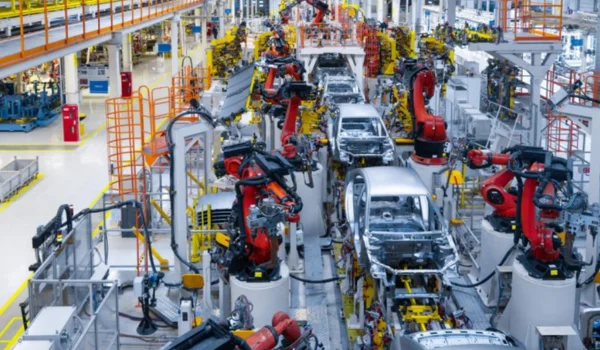
- Manufacturing Business Model
Companies produce products and sell them through different channels.
Examples:
- Automobile companies
- Consumer goods manufacturers
Revenue comes from product sales.
- Service-Based Business Model
Businesses sell expertise, skills, or professional services.
Examples:
- Consulting firms
- Digital marketing agencies
- Repair services
Revenue comes from service fees.
Popular Business Model Examples in India
| Company Type | Business Model |
| E-commerce platforms | Marketplace |
| Food delivery apps | Commission-based marketplace |
| OTT platforms | Subscription |
| Online education | Subscription + course sales |
| Retail stores | Product sales |
| Franchise brands | Franchise model |
| Banks | Interest and service fees |
Business Model vs Business Plan
Many people confuse these two terms.
| Business Model | Business Plan |
| Explains how a business makes money | Detailed roadmap for starting and growing a business |
| Focuses on value creation and revenue | Includes marketing, finance, operations |
| Defines business structure | Explains execution strategy |
Example:
A business model may be:
“Sell handmade products online directly to customers.”
A business plan explains:
- Investment required
- Marketing strategy
- Team structure
- Growth targets
Why Is a Business Model Important?
- Helps Generate Revenue
A clear model explains how money will come into the business.
- Improves Decision Making
Entrepreneurs can understand:
- Target customers
- Pricing
- Expenses
- Growth opportunities
- Attracts Investors
Investors want to understand how a company plans to make profits.
- Creates Long-Term Sustainability
A strong business model helps businesses survive and grow.
How to Create a Business Model?
Follow these steps:
Step 1: Identify Customer Problems
Find what problem customers need solved.
Step 2: Define Your Solution
Create a product or service that solves the problem.
Step 3: Choose Your Target Customers
Identify who will buy your offering.
Step 4: Decide Revenue Sources
Choose how you will earn money.
Examples:
- Sales
- Subscription
- Commission
- Advertising
Step 5: Calculate Costs
Understand expenses required to operate.
Step 6: Test and Improve
Collect customer feedback and improve your model.
Common Business Model Mistakes
- Not Understanding Customers
A product may fail if there is no real demand.
- Choosing the Wrong Revenue Model
A business needs a sustainable way to earn money.
- Ignoring Costs
High expenses can reduce profitability.
- Copying Competitors Blindly
Every business needs a model suitable for its own market.
- Not Adapting With Changes
Customer needs and markets keep changing.
Frequently Asked Questions
What is a business model in simple words?
A business model explains how a company provides value to customers and earns money from its products or services.
Why is a business model important for startups?
It helps startups understand customers, revenue sources, expenses, and growth strategies before investing heavily.
What are the most common business models?
Popular business models include retail, subscription, franchise, marketplace, advertising, manufacturing, and service-based models.
Can a business have multiple business models?
Yes. Many companies use multiple revenue streams. For example, a platform may earn through subscriptions, advertising, and commissions.
Is a business model the same as a business idea?
No. A business idea is a concept, while a business model explains how that idea will operate and generate revenue.
Conclusion
A business model is the foundation of every successful company because it explains how a business creates value, serves customers, and generates revenue. From retail stores and franchises to online marketplaces and subscription platforms, different businesses use different models based on their industry and target customers.
Before starting any business, entrepreneurs should clearly understand their business model because a strong and sustainable model increases the chances of long-term success.