Taking a loan helps people manage major financial goals such as buying a home, purchasing a vehicle, funding education, or expanding a business. However, many borrowers want to reduce their debt burden before the original repayment period ends.
Two common ways to repay a loan early are:
- Loan Prepayment
- Loan Foreclosure
Although these terms are often used interchangeably, they have different meanings. Understanding the difference can help you choose the right option based on your financial situation.
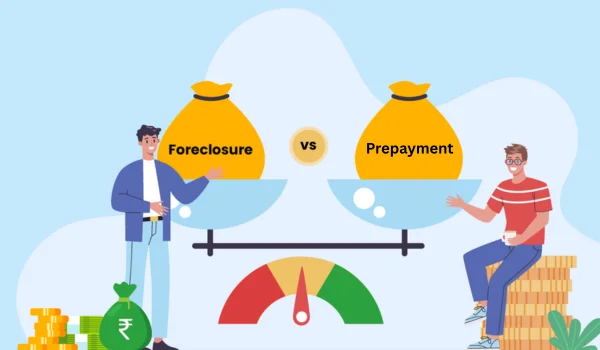
What Is Loan Prepayment?
Loan prepayment means paying an additional amount toward your loan before the scheduled EMI due date.
In prepayment, you pay only a part of the outstanding loan amount while continuing your regular EMI payments.
The extra payment reduces your loan principal, which can help lower:
- Total interest cost
- Remaining loan burden
- Loan repayment period
Example of Loan Prepayment
Suppose you have:
- Outstanding loan balance: $50,000
- Regular EMI continues every month
- You make an extra payment of $10,000
After prepayment:
- Your outstanding loan reduces to $40,000
- Future interest is calculated on the lower balance
You can usually choose between:
- Reducing EMI amount
- Reducing loan tenure
What Is Loan Foreclosure?
Loan foreclosure means completely closing your loan before the original repayment period ends by paying the entire outstanding loan amount at once.
After foreclosure:
- No further EMIs are required
- The loan account is closed
- The borrower becomes debt-free for that loan
Example of Loan Foreclosure
Suppose:
- Remaining loan balance: $50,000
- Remaining tenure: 3 years
If you arrange $50,000 and pay the complete outstanding amount to the lender, the loan is foreclosed.
The bank closes the loan account after completing the required process.
Difference Between Loan Prepayment and Loan Foreclosure
| Feature | Loan Prepayment | Loan Foreclosure |
| Meaning | Paying part of the outstanding loan early | Paying the entire loan amount early |
| Loan Status | Loan continues | Loan gets closed |
| EMI Payments | Continue after adjustment | Stop completely |
| Principal Reduction | Partial reduction | Complete repayment |
| Interest Savings | Moderate to high | Usually higher |
| Financial Requirement | Requires smaller extra amount | Requires large lump sum amount |
| Best For | People with extra savings | People who want to become debt-free |
How Loan Prepayment Works
When you make a prepayment, the lender adjusts the extra amount toward your principal balance.
After that, you may get options such as:
- Reduce EMI
Your monthly payment decreases while the loan tenure remains similar.
Benefits:
- Lower monthly financial pressure
- More money available for other expenses
Suitable For:
- People managing tight monthly budgets
- Borrowers with changing income
- Reduce Loan Tenure
Your EMI remains the same, but the loan gets completed faster.
Benefits:
- Greater interest savings
- Faster debt freedom
Suitable For:
- People with stable income
- Borrowers who want to close the loan sooner
How Loan Foreclosure Works
In foreclosure, you pay the complete outstanding loan amount.
The process usually involves:
- Requesting a foreclosure statement from the lender
- Checking the total outstanding amount
- Paying the required amount
- Completing documentation
- Receiving loan closure confirmation
After foreclosure, you should collect important documents such as:
- Loan closure letter
- No Objection Certificate (NOC), if applicable
- Updated loan account statement
Benefits of Loan Prepayment
- Reduces Interest Cost
Since loan interest is calculated on the outstanding principal, reducing the principal can lower future interest payments.
- Helps Finish Loan Faster
If you continue paying the same EMI after prepayment, your loan may end earlier.
- Improves Financial Stability
A lower loan balance reduces future financial obligations.
- Uses Extra Money Effectively
Prepayment can be useful when you receive:
- Bonuses
- Salary increments
- Business profits
- Investment returns
Benefits of Loan Foreclosure
- Become Debt-Free
The biggest advantage is complete freedom from the loan.
- No Future EMI Burden
You can redirect your monthly EMI amount toward:
- Savings
- Investments
- Other financial goals
- Reduces Long-Term Interest Payments
Closing a loan early can save significant interest, especially for long-term loans.
Things to Check Before Loan Prepayment or Foreclosure
- Prepayment or Foreclosure Charges
Some lenders may charge fees for early repayment, depending on:
- Loan type
- Interest rate
- Loan agreement terms
Always check applicable charges before making a decision.
- Emergency Fund
Do not use all your savings to repay a loan.
Maintain enough money for:
- Medical emergencies
- Job loss
- Unexpected expenses
- Family needs
- Other High-Interest Debts
Before prepaying a low-interest loan, consider clearing expensive debts such as high-interest credit card dues.
- Investment Opportunities
Compare the benefit of loan repayment with possible investment returns.
For example:
- A high-interest loan may be better to repay early
- A low-interest loan may require careful comparison with investment options
When Should You Choose Loan Prepayment?
Loan prepayment may be suitable when:
- You have extra savings
- You want to reduce interest costs
- You cannot arrange the full loan amount
- You want lower EMI or shorter tenure
Example Situations:
- Receiving an annual bonus
- Getting a salary hike
- Having surplus business income
When Should You Choose Loan Foreclosure?
Loan foreclosure may be suitable when:
- You have enough funds available
- You want complete debt freedom
- The remaining loan amount is manageable
- You want to remove EMI obligations
Example Situations:
- Selling an asset
- Receiving a large financial gain
- Having sufficient savings after maintaining an emergency fund
Loan Prepayment vs Foreclosure: Which Is Better?
There is no single answer because the right choice depends on your financial goals.
| Goal | Better Option |
| Reduce loan burden gradually | Loan prepayment |
| Lower monthly EMI | Loan prepayment |
| Save maximum interest | Prepayment with tenure reduction or foreclosure |
| Become debt-free immediately | Loan foreclosure |
| Use a small extra amount | Loan prepayment |
| Close loan completely | Loan foreclosure |
Common Mistakes to Avoid
Using All Savings to Close a Loan
Keeping no emergency money can create financial problems later.
Ignoring Loan Terms
Always check:
- Charges
- Conditions
- Documentation requirements
Not Comparing Benefits
Sometimes investing extra money may be more beneficial than early repayment.
Forgetting to Collect Closure Documents
After foreclosure, keep all loan closure records safely.
Final Thoughts
Loan prepayment and loan foreclosure are both useful strategies to reduce debt, but they serve different purposes. Prepayment allows you to reduce your loan burden gradually, while foreclosure completely closes the loan before the original tenure ends.
If you want flexibility and smaller financial commitments, prepayment can be a good option. If you have enough funds and want complete debt freedom, foreclosure may be suitable.
Before making any decision, consider your savings, emergency needs, loan interest rate, and long-term financial goals. A balanced approach can help you reduce debt while maintaining financial stability.