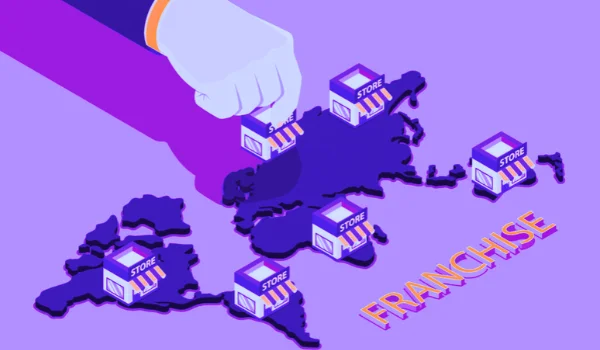
Starting a business in India can be done in two major ways: buying a franchise of an established brand or starting your own independent business. A franchise provides a ready-made business model, brand recognition, and support, while an own business gives complete freedom and control over decisions. Both options have their own advantages and challenges. The better choice depends on your budget, experience, risk-taking ability, and long-term business goals.
This guide compares franchise vs own business in India based on investment, risk, profitability, control, support, and growth potential.
Quick Comparison
| Feature | Franchise Business | Own Business |
| Brand Name | Established brand | New brand creation |
| Initial Risk | Lower | Higher |
| Investment | Franchise fee + setup cost | Depends on business model |
| Control | Limited | Complete control |
| Support | Available from franchisor | Self-managed |
| Profit Sharing | Possible royalty payments | Entire profit belongs to owner |
| Growth Speed | Faster initially | Slower but flexible |
What Is a Franchise Business?
A franchise business allows you to operate under an established brand’s name and business system.
Examples include:
- Food franchises
- Education franchises
- Retail franchises
- Courier franchises
- Healthcare franchises
The franchise owner (franchisee) usually pays:
- Franchise fee
- Setup costs
- Royalty charges (in many cases)
In return, they receive:
- Brand rights
- Training
- Marketing support
- Business guidance
What Is an Own Business?
An own business means creating and operating your own brand independently.
Examples:
- Opening your own restaurant
- Starting an online store
- Launching a local service business
- Creating your own retail shop
You are responsible for:
- Business planning
- Branding
- Marketing
- Operations
- Customer acquisition
Franchise vs Own Business: Detailed Comparison
- Investment Requirement
Franchise
A franchise requires:
- Franchise fee
- Store setup
- Equipment
- Initial inventory
- Marketing charges
- Working capital
Investment is usually higher initially because you are buying an established business model.
Own Business
You can start with a smaller budget depending on the idea.
Advantages:
- No franchise fee
- Flexible investment
- Freedom to choose suppliers and costs
Winner: Depends on business type
- Brand Recognition
Franchise
A major advantage of a franchise is instant brand recognition.
Customers already know:
- Product quality
- Brand name
- Business reputation
This can help attract customers faster.
Own Business
You need to build:
- Brand identity
- Customer trust
- Market reputation
This usually takes more time.
Winner: Franchise
- Business Support
Franchise
Franchisors often provide:
- Training
- Marketing materials
- Operational guidance
- Product standards
- Supplier connections
Own Business
You have to create everything yourself.
You manage:
- Business strategy
- Marketing
- Processes
- Training
Winner: Franchise
- Freedom and Control
Franchise
You must follow brand guidelines regarding:
- Pricing
- Products
- Store design
- Marketing methods
Your flexibility may be limited.
Own Business
You have complete control over:
- Products
- Pricing
- Suppliers
- Branding
- Expansion plans
Winner: Own Business
- Profit Potential
Franchise
Advantages:
- Faster customer acquisition
- Proven business model
- Lower chances of early failure
Challenges:
- Royalty fees
- Franchise charges
- Profit sharing
Own Business
Advantages:
- Entire profit belongs to you
- No royalty payments
- Unlimited growth opportunities
Challenges:
- Higher risk
- Longer time to establish
Winner: Own Business (long term)
- Risk Level
Franchise
Risk is generally lower because:
- Business model is tested
- Brand already exists
- Support is available
However, success still depends on location and management.
Own Business
Risk is higher because:
- Brand is unknown
- Customer base must be created
- Business model may not be tested
Winner: Franchise
- Innovation and Flexibility
Franchise
Innovation may be restricted because changes must follow company rules.
Own Business
You can:
- Experiment with products
- Change strategies quickly
- Adapt according to customer needs
Winner: Own Business
Franchise vs Own Business: Pros and Cons
Franchise Business
Advantages
✔ Established brand
✔ Lower learning curve
✔ Training support
✔ Proven business system
✔ Faster market entry
Disadvantages
✘ Franchise fees
✘ Royalty payments
✘ Less freedom
✘ Dependence on franchisor
Own Business
Advantages
✔ Complete ownership
✔ More flexibility
✔ No royalty charges
✔ Unlimited growth potential
✔ Full decision-making power
Disadvantages
✘ Higher risk
✘ Requires more planning
✘ Slow brand building
✘ No guaranteed support
Which Is Better for Beginners?
For first-time entrepreneurs, a franchise can be a better option because:
- The business model is already tested.
- Training and guidance are available.
- Brand trust helps attract customers.
However, beginners should still research:
- Total investment
- Profit margins
- Market demand
- Franchise agreement terms
Which Is Better for Experienced Entrepreneurs?
Experienced entrepreneurs may prefer their own business because they can:
- Build their own brand
- Experiment freely
- Scale without franchise restrictions
- Keep all profits
Franchise vs Own Business: Who Should Choose What?
| Situation | Better Option |
| First-time entrepreneur | Franchise |
| Limited business experience | Franchise |
| Want complete control | Own Business |
| Have a unique business idea | Own Business |
| Prefer lower risk | Franchise |
| Want to build a personal brand | Own Business |
| Have strong business skills | Own Business |
Questions to Ask Before Choosing
Before Buying a Franchise
Ask:
- What is the total investment?
- Are there royalty fees?
- What support is provided?
- How many successful franchise outlets exist?
- What are the exit conditions?
Before Starting Your Own Business
Ask:
- Is there market demand?
- Who are my competitors?
- How will I attract customers?
- What is my marketing strategy?
- How much working capital do I need?
Common Mistakes to Avoid
Franchise Mistakes
- Choosing only based on brand popularity
- Ignoring hidden costs
- Not reading the agreement
- Not researching existing franchise owners
Own Business Mistakes
- Starting without market research
- Underestimating expenses
- Ignoring marketing
- Expecting quick profits
Frequently Asked Questions
Is a franchise safer than starting your own business?
A franchise can have lower risk because it provides an established brand and business system, but it does not guarantee success.
Which gives higher profits: franchise or own business?
An own business can provide higher profits because you keep all earnings, but it also carries higher risk. A franchise may provide more predictable growth with lower flexibility.
Can I convert my own business into a franchise later?
Yes. Many successful businesses expand by creating a franchise model after establishing their brand and systems.
How much money is needed to start a franchise in India?
Investment varies widely. Small service franchises may start under ₹5 lakhs, while large food and retail franchises may require several crores.
Should beginners choose a franchise?
Many beginners prefer franchises because they receive training and a proven business model, but they should evaluate costs and profitability before investing.
Final Verdict: Franchise or Own Business?
There is no universal winner between a franchise and an own business.
Choose a franchise if you want:
- Lower risk
- Brand support
- A ready business model
- Guidance during startup
Choose an own business if you want:
- Complete control
- Higher long-term potential
- Freedom to innovate
- To build your own brand
For beginners in India, a well-researched franchise can be a practical starting point, while entrepreneurs with experience, unique ideas, and strong execution skills may benefit more from building their own business. The right choice depends on your budget, skills, risk tolerance, and long-term vision.