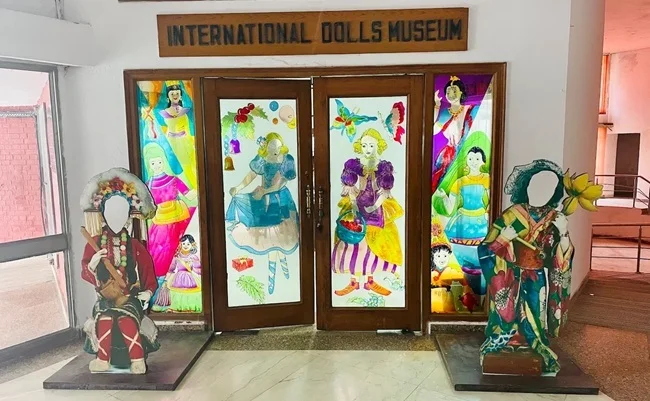
A visit to Nagaland is incomplete without exploring its vibrant tribal culture, and the Nagaland State Museum is one of the best places to do exactly that. Located in the heart of Kohima, this fascinating museum showcases the traditions, lifestyle, art, and history of the various Naga tribes. From traditional costumes and weapons to tribal jewelry and ancient artifacts, the museum offers a wonderful introduction to the rich cultural heritage of Nagaland.
History & Importance of Nagaland State Museum
The Nagaland State Museum was established by the Government of Nagaland to preserve and promote the unique heritage of the state’s indigenous communities.
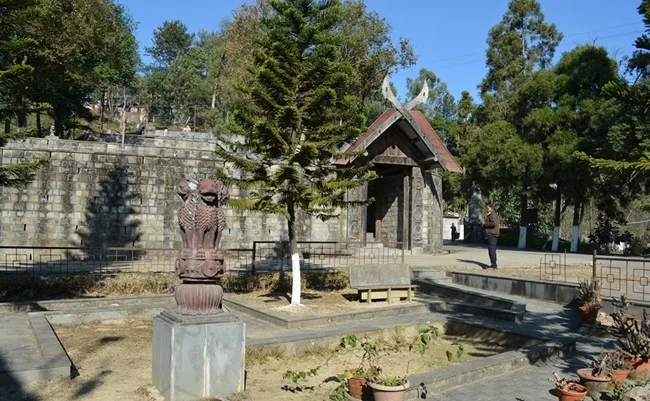
Nagaland is home to numerous tribes, each with distinct customs, languages, attire, and traditions. The museum serves as an important cultural center where visitors can learn about the history and evolution of Naga society. It helps preserve traditional knowledge and provides valuable insights into the lifestyle of the Naga people.
Today, it is one of the most visited cultural attractions in Kohima.
Location & Address
Address:
Nagaland State Museum
Bayavu Hill, Kohima, Nagaland 797001, India
The museum is located on a scenic hilltop area and is easily accessible from various parts of Kohima.
How to Reach Nagaland State Museum
By Air
The nearest airport is Dimapur Airport, situated about 75 km from Kohima.
By Train
The nearest railway station is Dimapur Railway Station, approximately 70 km away.
By Road
Regular buses, shared taxis, and private cabs operate between Dimapur and Kohima. Local taxis can easily take visitors to the museum.
Nearest Metro
Nagaland currently does not have a metro rail network.
Nearest Metro: Not applicable.
Visitors mainly rely on taxis and local transport services.
Nagaland State Museum Timing
Opening Hours:
- Tuesday to Sunday: 10:00 AM to 4:00 PM
- Closed on Mondays and Government Holidays
Morning hours are generally the best time to visit.
Nagaland State Museum Ticket Price
Entry Fee (Approximate):
- Adults: ₹10
- Students and Children: ₹5
- Camera Charges: Additional fees may apply
The museum offers an affordable cultural experience for visitors.
What to See Inside the Museum
Tribal Costumes Gallery
One of the most impressive sections of the museum, displaying colorful traditional dresses worn by different Naga tribes.
Traditional Weapons Collection
Explore ancient spears, shields, daos, hunting tools, and war equipment used by Naga warriors.
Tribal Jewelry and Accessories
View beautifully crafted bead necklaces, ornaments, ceremonial headgear, and decorative items.
Morung Models
The museum features models of traditional Naga village dormitories known as Morungs, which played an important role in tribal life.
Household Artifacts
Discover traditional utensils, baskets, weaving tools, and everyday objects used by local communities.
Musical Instruments Gallery
Learn about indigenous instruments used during festivals, ceremonies, and cultural performances.
Historical Photographs
Rare photographs provide a glimpse into Nagaland’s past and the lifestyle of various tribes.
Cultural Heritage Exhibits
Detailed displays explain tribal customs, festivals, social practices, and traditional occupations.
Visitor Experience
Visitors often describe the museum as informative, authentic, and culturally enriching. The exhibits are well organized and provide a comprehensive overview of Nagaland’s tribal heritage.
Travelers appreciate the opportunity to learn about the state’s unique traditions in one place. Students and researchers also find the museum highly educational. Most visitors spend around 1 to 2 hours exploring the galleries.
Facilities Available
The museum offers basic visitor amenities, including:
- Parking facilities
- Clean washrooms
- Seating arrangements
- Educational information boards
- Photography facilities (subject to permission)
- Visitor assistance
- Cultural exhibits and displays
Best Time to Visit Nagaland State Museum
The best time to visit is from October to May when the weather remains pleasant and suitable for sightseeing.
Seasonal Guide
- October to February: Cool and comfortable weather.
- March to May: Pleasant temperatures and clear skies.
- June to September: Monsoon season with heavy rainfall.
Many tourists prefer visiting during the famous Hornbill Festival season in December.
Travel Tips
- Visit during the morning hours for a comfortable experience.
- Allocate at least 1–2 hours for the museum.
- Carry a camera if photography is permitted.
- Read exhibit descriptions to understand tribal traditions.
- Wear comfortable footwear.
- Combine your visit with other cultural attractions in Kohima.
- Visit during the Hornbill Festival for a richer cultural experience.
Nearby Places to Visit
Kohima War Cemetery
A well-maintained World War II memorial dedicated to fallen soldiers.
Kisama Heritage Village
The venue of the famous Hornbill Festival and a showcase of Naga culture.
Hornbill Festival
Nagaland’s biggest cultural festival featuring music, dance, food, and tribal traditions.
Japfu Peak
One of the highest peaks in Nagaland with stunning views.
Dzukou Valley
A beautiful valley known for its seasonal flowers and trekking opportunities.
Pros & Cons
Pros
- Rich collection of tribal artifacts
- Affordable ticket price
- Excellent cultural learning experience
- Family-friendly attraction
- Well-preserved exhibits
- Centrally located in Kohima
Cons
- No metro connectivity
- Limited interactive exhibits
- Smaller compared to national museums
- Basic visitor facilities
FAQs
Q: What is the timing of Nagaland State Museum?
A: The museum is generally open from 10:00 AM to 4:00 PM, Tuesday to Sunday.
Q: What is the ticket price of Nagaland State Museum?
A: The ticket price is approximately ₹10 for adults and ₹5 for students and children.
Q: What is the nearest metro station to Nagaland State Museum?
A: There is currently no metro service in Nagaland.
Q: How much time is needed to visit the museum?
A: Most visitors spend around 1 to 2 hours exploring the exhibits.
Q: What is the main attraction of the museum?
A: The museum is famous for its collection of tribal costumes, weapons, jewelry, Morung models, and cultural artifacts.
Q: What is the best time to visit Nagaland State Museum?
A: The best time to visit is from October to May, especially during the Hornbill Festival season.
Q: Is the museum suitable for children?
A: Yes, the museum is educational and helps children learn about the history and culture of Nagaland.
Final Thoughts
The Nagaland State Museum is a cultural treasure that beautifully preserves the traditions and heritage of the Naga tribes. From traditional costumes and tribal jewelry to historical artifacts and cultural exhibits, the museum offers a fascinating journey into one of India’s most unique regions. With affordable ticket prices, informative displays, and a convenient location in Kohima, it is a must-visit destination for anyone interested in history, culture, and the rich tribal heritage of Northeast India.