When buying or renewing car insurance in India, one of the biggest decisions is choosing between Third-Party Insurance and Comprehensive Car Insurance. While third-party insurance is the minimum legal requirement for driving on Indian roads, comprehensive insurance provides wider financial protection by covering both third-party liabilities and damage to your own vehicle. Understanding the differences can help you select the right policy based on your budget, vehicle age, and coverage needs.
Quick Comparison
| Feature | Third-Party Insurance | Comprehensive Insurance |
| Legal Requirement | Yes (Mandatory) | Includes mandatory third-party cover plus own damage |
| Covers Own Car Damage | No | Yes |
| Covers Third-Party Damage | Yes | Yes |
| Theft Cover | No | Yes |
| Natural Disaster Cover | No | Yes |
| Premium | Lower | Higher |
| Add-on Covers | Not Available | Available |
What Is Third-Party Car Insurance?
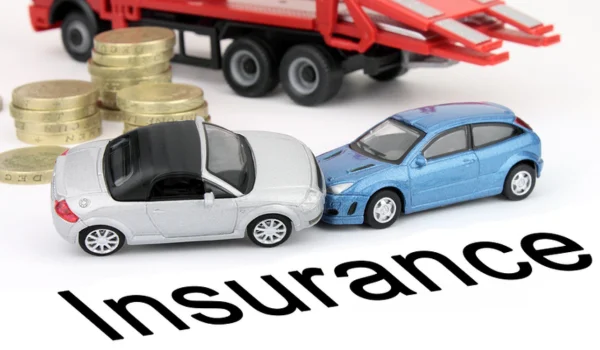
Third-party car insurance is the minimum insurance required by law under the Motor Vehicles Act, 1988.
It provides financial protection against liabilities arising from damage or injury caused to a third party due to your insured vehicle.
What Does It Cover?
- Third-party property damage
- Injury to a third party
- Death of a third party
- Legal liabilities arising from third-party claims
What Is Not Covered?
- Damage to your own car
- Theft of your vehicle
- Fire damage to your car
- Flood or natural calamity damage
- Personal belongings inside the vehicle
What Is Comprehensive Car Insurance?
Comprehensive car insurance combines:
- Third-party liability coverage
- Own damage coverage
It offers broader financial protection against a variety of risks.
What Does It Cover?
- Third-party liabilities
- Damage to your own vehicle
- Theft
- Fire
- Flood
- Cyclones
- Earthquakes
- Riots and vandalism (subject to policy terms)
- Accidental damage
Coverage depends on the insurer and policy wording.
Difference Between Third-Party and Comprehensive Insurance
| Feature | Third-Party | Comprehensive |
| Own Vehicle Damage | ❌ No | ✅ Yes |
| Third-Party Liability | ✅ Yes | ✅ Yes |
| Theft Protection | ❌ No | ✅ Yes |
| Fire Cover | ❌ No | ✅ Yes |
| Natural Disaster Cover | ❌ No | ✅ Yes |
| Man-made Disaster Cover | ❌ No | ✅ Yes |
| Personal Accident Cover | May be available separately as required by regulations | Usually available or can be added, depending on the policy |
| Add-on Covers | ❌ No | ✅ Yes |
Premium Comparison
Third-party insurance premiums are generally lower because the coverage is limited.
Comprehensive insurance premiums are higher because they provide wider protection and may include optional add-ons.
The exact premium depends on factors such as:
- Vehicle age
- Car model
- Engine capacity
- Insured Declared Value (IDV)
- Registration location
- Claim history
- Add-on covers selected
Benefits of Third-Party Insurance
- Mandatory for legal compliance
- Lower premium
- Covers legal liability towards third parties
- Simple and affordable option
Benefits of Comprehensive Insurance
- Covers damage to your own vehicle
- Includes third-party liability
- Protects against theft
- Covers natural disasters
- Covers fire-related losses
- Offers optional add-on covers
- Provides wider financial protection
Popular Add-on Covers (Comprehensive Policies)
Many insurers offer optional add-ons such as:
- Zero Depreciation Cover
- Engine Protection Cover
- Roadside Assistance
- Return to Invoice Cover
- Consumables Cover
- Key Replacement Cover
- Tyre Protection Cover
These add-ons are usually available only with comprehensive policies.
Which Insurance Is Best for You?
Choose Third-Party Insurance If:
- You own an older car with a low market value.
- You mainly want to meet the legal insurance requirement.
- You have a limited budget.
- You’re comfortable paying for your own vehicle’s repairs.
Choose Comprehensive Insurance If:
- Your car is new or relatively expensive.
- You want protection against accidents and theft.
- You live in an area prone to floods or other natural disasters.
- You want greater financial security.
- You prefer broader coverage and optional add-ons.
Can You Upgrade Later?
Yes.
You can generally switch from third-party insurance to comprehensive insurance at the time of policy renewal, subject to the insurer’s requirements and vehicle inspection, if applicable.
Common Mistakes to Avoid
- Buying insurance based only on the lowest premium
- Assuming third-party insurance covers your own car
- Ignoring policy exclusions
- Not checking the Insured Declared Value (IDV)
- Skipping useful add-on covers for valuable vehicles
- Delaying policy renewal
Documents Required
When purchasing or renewing car insurance, you may need:
- Vehicle Registration Certificate (RC)
- Previous insurance policy
- Identity proof (if requested)
- Address proof (if requested)
- Vehicle inspection report (for certain cases)
Requirements vary by insurer.
Frequently Asked Questions
Is third-party insurance mandatory in India?
Yes. Every motor vehicle driven on public roads must have at least valid third-party insurance as required under Indian law.
Which policy is better?
Comprehensive insurance generally offers broader financial protection, while third-party insurance is suitable for those seeking only the mandatory legal cover.
Does comprehensive insurance include third-party cover?
Yes. Comprehensive insurance includes third-party liability coverage along with protection for your own vehicle, subject to policy terms.
Is theft covered under third-party insurance?
No. Third-party insurance does not cover theft of your own vehicle.
Can I buy add-on covers with third-party insurance?
No. Add-on covers are generally available only with comprehensive car insurance policies.
Third-Party vs Comprehensive Insurance at a Glance
| Factor | Third-Party Insurance | Comprehensive Insurance |
| Legal Requirement | Mandatory | Meets mandatory requirement and adds own-damage cover |
| Own Damage Cover | ❌ | ✅ |
| Theft Cover | ❌ | ✅ |
| Natural Disaster Cover | ❌ | ✅ |
| Premium | Lower | Higher |
| Add-ons | ❌ | ✅ |
| Best For | Older vehicles and budget-conscious owners | New, valuable, or frequently used vehicles |
Conclusion
Both third-party and comprehensive car insurance serve different purposes. Third-party insurance helps you comply with the legal requirement to drive on Indian roads and protects you against third-party liabilities. However, it does not cover damage to your own vehicle. Comprehensive insurance offers much wider protection by covering your car against accidents, theft, fire, and many natural or man-made risks, along with third-party liability. Before choosing a policy, compare premiums, coverage, exclusions, claim services, and available add-ons to find the option that best suits your vehicle and financial needs.