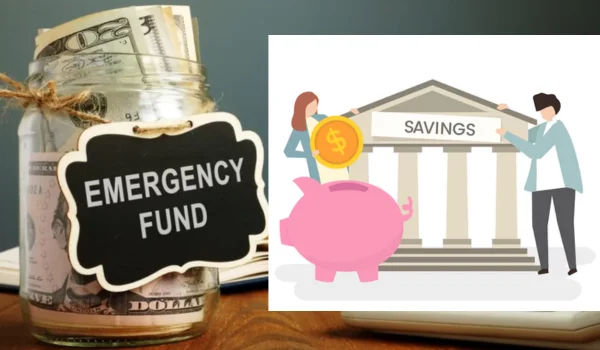
Many people use the terms emergency fund and savings account interchangeably, but they serve different financial purposes. While both involve keeping money aside, the main difference lies in why you save the money and when you plan to use it.
A savings account is generally used for regular financial needs and short-term goals, whereas an emergency fund is specifically created to handle unexpected expenses like medical emergencies, job loss, or urgent repairs.
Understanding the difference between these two can help you manage your money better and build stronger financial security.
What Is a Savings Account?
A savings account is a bank account where you keep money that you may need for regular expenses or planned financial goals.
It provides easy access to your money and usually earns some interest.
Common Uses of a Savings Account
People typically use savings accounts for:
- Monthly expenses
- Short-term purchases
- Paying bills
- Saving for vacations
- Education expenses
- Regular banking transactions
- Keeping extra cash available
For example, if you are saving money for a new mobile phone or a family trip, a savings account can be a suitable option.
What Is an Emergency Fund?
An emergency fund is money kept separately to handle unexpected financial situations.
It acts as a safety net when sudden expenses occur and helps you avoid depending on loans or credit cards during difficult times.
Common Uses of an Emergency Fund
An emergency fund can help during:
- Job loss
- Medical emergencies
- Urgent home repairs
- Unexpected travel expenses
- Major vehicle repairs
- Sudden family responsibilities
The purpose of an emergency fund is not regular spending but financial protection.
Key Difference Between Emergency Fund and Savings Account
| Feature | Savings Account | Emergency Fund |
| Main Purpose | Regular savings and planned expenses | Handling unexpected financial emergencies |
| Usage | Frequent withdrawals possible | Used only when necessary |
| Time Horizon | Short-term financial needs | Financial protection during difficult situations |
| Amount | Depends on personal goals | Usually several months of essential expenses |
| Location | Usually a bank account | Can be kept in savings account, fixed deposit, liquid funds, or other safe options |
| Accessibility | Easily accessible | Should be accessible but separate from daily money |
| Spending Frequency | Regular | Rare |
Purpose Is the Biggest Difference
The biggest difference between a savings account and an emergency fund is the purpose behind the money.
Savings Account
A savings account helps you manage planned financial needs.
Examples:
- Paying monthly bills
- Buying household items
- Saving for a short-term goal
Emergency Fund
An emergency fund protects you from unexpected financial problems.
Examples:
- Losing your income source
- Facing sudden medical expenses
- Paying for urgent repairs
Keeping these two separate prevents you from using emergency money for regular purchases.
How Much Money Should You Keep in an Emergency Fund?
The ideal emergency fund amount depends on your income, expenses, and financial responsibilities.
A common recommendation is to keep around:
- 3 to 6 months of essential expenses for people with stable income
- 6 to 12 months of expenses for people with irregular income or higher financial responsibilities
For example, if your essential monthly expenses are $1,000, an emergency fund of $3,000 to $6,000 may provide basic protection.
Where Should You Keep an Emergency Fund?
An emergency fund should be:
- Safe
- Easily accessible
- Low risk
- Separate from daily spending money
Possible options include:
Separate Savings Account
Many people keep their emergency fund in a separate savings account to avoid accidental spending.
Fixed Deposit
A short-term fixed deposit can provide slightly better returns while keeping money relatively accessible.
Liquid Investment Options
Some people consider low-risk liquid investment options, but they should understand the risks and withdrawal process before choosing them.
Why Should You Not Use Your Regular Savings as an Emergency Fund?
Using one account for everything can create problems.
For example:
You save money for a vacation, home purchase, or personal goal. Suddenly, you face a medical emergency and use those savings. Now your planned goal is delayed.
A separate emergency fund ensures that unexpected expenses do not disturb your financial plans.
Benefits of Having an Emergency Fund
An emergency fund provides several advantages:
Financial Security
It helps you handle unexpected expenses without borrowing money.
Reduced Stress
Knowing that you have money available during emergencies provides peace of mind.
Avoiding Debt
You may not need to depend on credit cards or high-interest loans during financial difficulties.
Better Money Management
Separating emergency money encourages disciplined financial habits.
Benefits of a Savings Account
A savings account also plays an important role in personal finance.
Benefits include:
- Easy access to money
- Secure place to store cash
- Interest earnings
- Digital payment facilities
- Helps manage daily finances
It is an essential tool for everyday money management.
Common Mistakes People Make
Using Emergency Funds for Non-Emergencies
Avoid using emergency money for:
- Shopping
- Entertainment
- Luxury purchases
- Unplanned vacations
The fund should remain available for genuine emergencies.
Keeping No Emergency Fund
Many people focus only on investments and ignore emergency savings. Without a safety net, they may have to sell investments or take loans during difficult times.
Keeping Too Much Money Idle
While emergency funds should be safe, keeping excessive cash beyond your requirement may reduce opportunities for long-term wealth creation.
Not Rebuilding After Using It
If you use your emergency fund, make rebuilding it a priority once your financial situation improves.
Emergency Fund vs Savings Account: Which One Should You Prioritize?
Both are important, but the priority depends on your financial situation.
If You Have No Emergency Fund
Building an emergency fund should be your first priority because it protects you from unexpected situations.
If You Already Have an Emergency Fund
You can focus on:
- Long-term investments
- Retirement planning
- Wealth creation
- Other financial goals
Simple Strategy to Manage Both
A practical approach can be:
- Maintain a regular savings account for daily financial needs.
- Create a separate emergency fund account.
- Automate monthly transfers toward your emergency fund.
- Use emergency money only for genuine emergencies.
- Refill the fund after using it.
Quick Comparison Example
| Situation | Use Savings Account | Use Emergency Fund |
| Paying electricity bill | ✓ | |
| Buying a new phone | ✓ | |
| Planning a vacation | ✓ | |
| Sudden medical expense | ✓ | |
| Job loss | ✓ | |
| Major car repair | ✓ |
Final Thoughts
A savings account and an emergency fund both help improve financial stability, but they have different roles. A savings account helps you manage regular expenses and short-term goals, while an emergency fund protects you during unexpected financial challenges.
The best financial approach is to maintain both: use your savings account for everyday money management and build a separate emergency fund for emergencies. This simple habit can protect your finances and help you handle uncertain situations with confidence.