Moisture and dampness are common problems in many homes, especially during rainy seasons or in areas with high humidity. Excess moisture can make your home feel uncomfortable and may lead to problems such as mold growth, bad smells, damaged walls, and poor indoor air quality.
While dehumidifiers and chemical products can help control moisture, there are many natural ways to reduce dampness and keep your home dry.
This guide explains simple and practical methods to control moisture naturally.
Why Is It Important to Reduce Moisture in Your Home?
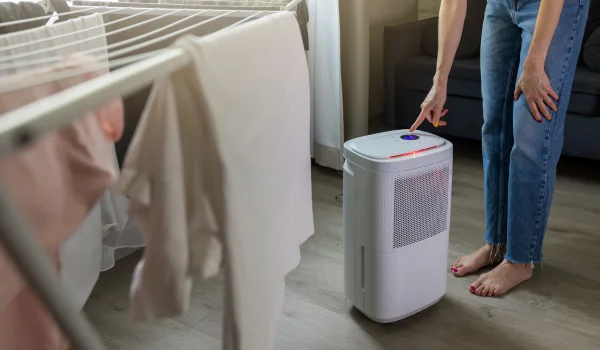
High moisture levels can cause:
- Mold and fungus growth
- Musty smell in rooms
- Wall stains and peeling paint
- Damage to wooden furniture
- Increased allergy problems
- Poor indoor air quality
Maintaining balanced humidity helps create a healthier and more comfortable living environment.
Common Causes of Moisture and Dampness
Before solving the problem, it is important to understand the cause.
Common reasons include:
- Poor ventilation
- Water leakage
- Drying clothes indoors
- Cooking without proper airflow
- Bathroom moisture
- Rainwater entering walls
- Ground moisture rising through floors
Identifying the source makes moisture control easier.
Natural Ways to Reduce Moisture and Dampness
- Improve Air Ventilation
Good airflow is one of the easiest ways to reduce moisture naturally.
Open windows and doors regularly to allow fresh air to circulate.
You can improve ventilation by:
- Opening windows during dry weather
- Keeping interior doors open between rooms
- Using exhaust fans in kitchens and bathrooms
- Allowing sunlight and fresh air inside
Proper airflow helps remove trapped moisture.
- Allow Sunlight Into Your Home
Sunlight is a natural moisture controller.
Sunlight helps:
- Dry damp areas
- Reduce mold growth
- Remove unpleasant smells
- Improve indoor freshness
Open curtains and blinds during the daytime whenever possible.
Rooms with limited sunlight often develop moisture problems faster.
- Use Natural Moisture Absorbers
Some household materials can naturally absorb moisture.
Useful options include:
Charcoal
Charcoal can absorb excess moisture and reduce bad smells.
Place charcoal pieces in:
- Cupboards
- Shoe racks
- Small storage areas
Replace them periodically for better results.
Rock Salt
Rock salt can attract moisture from the air.
You can place rock salt in an open container in damp areas.
Baking Soda
Baking soda can help absorb moisture and unpleasant odors.
It works well for:
- Small rooms
- Cabinets
- Refrigerators
- Keep Indoor Plants Carefully
Plants can improve indoor air quality, but some plants may increase moisture if overwatered.
Choose plants that can tolerate indoor conditions and avoid excessive watering.
Good practices:
- Do not keep too many plants in closed rooms
- Avoid water accumulation in plant trays
- Ensure proper airflow around plants
- Fix Water Leaks Quickly
Water leakage is one of the biggest causes of damp walls and ceilings.
Check for:
- Leaking pipes
- Bathroom seepage
- Roof leaks
- Damaged water connections
Repairing leaks early prevents long-term moisture damage.
- Dry Clothes Outdoors When Possible
Wet clothes release moisture into the air.
Drying clothes indoors can increase humidity levels, especially in small rooms.
Better options:
- Dry clothes in sunlight
- Use a balcony or open area
- Keep windows open while drying indoors
- Reduce Bathroom Moisture
Bathrooms produce a large amount of moisture through showers and water usage.
To reduce dampness:
- Use exhaust fans
- Keep bathroom doors open after use
- Wipe wet surfaces
- Dry bathroom mats regularly
Avoid allowing water to remain on floors for long periods.
- Manage Kitchen Humidity
Cooking creates steam that increases indoor moisture.
Simple solutions include:
- Using chimney or exhaust fans
- Opening windows while cooking
- Covering cooking utensils
- Cleaning wet kitchen surfaces
These steps help prevent moisture buildup.
- Keep Furniture Away From Walls
Furniture placed directly against damp walls can trap moisture.
Maintain some space between:
- Wardrobes and walls
- Sofas and walls
- Storage cabinets and corners
This allows air movement and reduces mold growth.
- Use Proper Storage Methods
Closed storage areas can develop moisture problems.
To protect stored items:
- Avoid overcrowding cupboards
- Keep clothes completely dry before storing
- Use moisture absorbers in storage spaces
- Clean cupboards regularly
- Clean Mold Naturally
If mold appears in small areas, natural cleaning methods may help.
You can use:
- White vinegar solution
- Baking soda paste
- Mild soap and water
After cleaning:
- Dry the area completely
- Improve ventilation
- Fix the moisture source
Ignoring mold without addressing the cause may lead to repeated growth.
- Use Traditional Natural Methods
Many households use simple traditional methods to control moisture.
Examples include:
Neem Leaves
Dry neem leaves can help protect stored clothes from moisture-related problems and insects.
Camphor
Camphor is commonly used in cupboards to reduce unpleasant smells.
Rice
Uncooked rice can absorb small amounts of moisture in closed containers.
These methods are useful for small spaces but may not solve serious dampness problems.
How to Prevent Dampness During Rainy Season
Rainy seasons often increase moisture problems.
Follow these steps:
- Check roof and wall leaks before monsoon
- Keep drainage areas clean
- Avoid keeping wet items indoors
- Increase ventilation whenever possible
- Dry damp areas quickly
- Monitor corners and hidden spaces
Signs Your Home Has Excess Moisture
Look for:
- Water stains on walls
- Peeling paint
- Black spots or mold
- Musty smell
- Swollen wooden furniture
- Condensation on windows
Early detection can prevent bigger problems.
Common Mistakes That Increase Dampness
Closing All Windows for Long Periods
Poor airflow traps moisture inside.
Drying Wet Clothes Indoors Without Ventilation
This increases humidity levels.
Ignoring Small Water Leaks
Small leaks can create serious dampness over time.
Overwatering Indoor Plants
Excess water increases indoor moisture.
Covering Damp Walls
Painting or covering damp walls without fixing the source can make the problem worse.
Quick Natural Moisture Control Checklist
✓ Open windows regularly
✓ Allow sunlight inside
✓ Fix leaks quickly
✓ Keep bathrooms dry
✓ Avoid indoor drying of clothes
✓ Use natural moisture absorbers
✓ Maintain airflow around furniture
✓ Clean mold early
✓ Keep storage areas dry
Final Thoughts
Reducing moisture and dampness naturally does not always require expensive equipment. Simple habits such as improving ventilation, allowing sunlight, fixing leaks, and using natural moisture absorbers can make a significant difference.
However, if dampness is caused by major issues like structural leaks or water seepage, professional repair may be necessary. The key is to identify the source of moisture and take timely action.
A dry and well-ventilated home not only looks better but also provides a healthier and more comfortable environment for everyone.