Cooking methods play an important role in determining the nutritional value, taste, and overall health benefits of food. Even healthy ingredients can become less nutritious when cooked using unhealthy techniques.
Choosing the right cooking method can help preserve vitamins, reduce unnecessary fats, and make meals healthier for you and your family.
Different cooking methods have different effects on:
- Nutrient retention
- Calorie content
- Fat usage
- Taste and texture
- Food safety
Why Cooking Methods Matter?
The way food is prepared can affect:
- How many nutrients remain after cooking
- The amount of oil and calories added
- Digestion and absorption
- Overall health benefits
For example, boiling vegetables for too long may reduce some nutrients, while steaming can help preserve more of their natural goodness.
Healthy Cooking Methods Compared
| Cooking Method | Oil Requirement | Nutrient Preservation | Health Benefits |
| Steaming | Very little or no oil | High | Preserves nutrients and natural flavour |
| Boiling | No oil required | Moderate | Simple and easy method |
| Grilling | Little oil | Moderate to high | Reduces added fat |
| Baking | Little oil | Good | Suitable for many foods |
| Stir-frying | Small amount of oil | Good | Quick cooking with vegetables |
| Pressure Cooking | Little or no oil | Good | Saves time and retains nutrients |
| Roasting | Low oil | Good | Enhances flavour naturally |
| Deep Frying | High oil | Lower | Adds excess calories and fat |
- Steaming
Steaming is considered one of the healthiest cooking methods because food is cooked using hot steam without direct contact with water or oil.
Foods Suitable for Steaming
- Vegetables
- Idli
- Fish
- Dumplings
- Some grains
Benefits of Steaming
- Preserves many nutrients
- Requires no oil
- Maintains natural flavour
- Keeps food light and easy to digest
Limitations
- Some people may find steamed food less flavourful
- Not suitable for all types of dishes
- Boiling
Boiling involves cooking food in water at a high temperature.
Common boiled foods include:
- Rice
- Pulses
- Eggs
- Vegetables
- Pasta
Benefits of Boiling
- Requires no added oil
- Easy and convenient
- Makes food soft and easy to digest
Limitations
Some water-soluble nutrients, such as certain vitamins, may move into the cooking water.
Tips:
- Avoid overcooking vegetables
- Use leftover cooking water when appropriate
- Pressure Cooking
Pressure cooking uses steam and pressure to cook food quickly.
Common examples:
- Dal
- Beans
- Rice
- Vegetables
- Meat
Benefits of Pressure Cooking
- Saves cooking time
- Requires less energy
- Softens hard foods easily
- Needs little oil
Limitations
Overcooking may affect texture and some nutrients.
Using the right cooking time is important.
- Grilling
Grilling cooks food using direct heat.
Common grilled foods include:
- Vegetables
- Fish
- Chicken
- Paneer
Benefits of Grilling
- Requires less oil
- Gives a good flavour
- Excess fat may drip away from some foods
Limitations
Very high temperatures or burning food may create harmful compounds.
Tips:
- Avoid over-charring
- Cook at appropriate temperatures
- Turn food regularly
- Baking
Baking uses dry heat inside an oven.
Common baked foods:
- Vegetables
- Fish
- Chicken
- Whole-grain dishes
Benefits of Baking
- Uses less oil than frying
- Helps maintain food texture
- Suitable for many recipes
Limitations
Some baked foods like cakes and pastries can still be unhealthy because of high sugar and refined ingredients.
- Roasting
Roasting involves cooking food using dry heat.
Examples:
- Roasted vegetables
- Nuts
- Seeds
- Chickpeas
Benefits of Roasting
- Enhances natural flavour
- Requires little oil
- Creates a satisfying texture
Limitations
Over-roasting may reduce nutrient quality and burn food.
- Stir-Frying
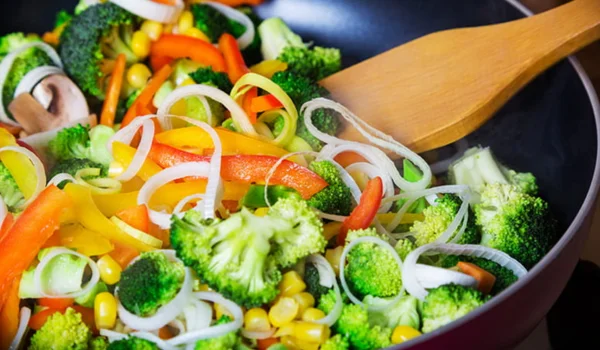
Stir-frying involves quickly cooking food at high heat with a small amount of oil.
Common ingredients:
- Vegetables
- Tofu
- Paneer
- Meat
Benefits of Stir-Frying
- Quick cooking method
- Uses less oil than deep frying
- Keeps vegetables crisp
Tips for Healthier Stir-Frying
- Use healthy oils in small quantities
- Avoid overheating oil
- Add more vegetables
- Deep Frying
Deep frying involves cooking food in a large amount of hot oil.
Examples:
- Samosa
- Pakora
- French fries
- Fried snacks
Why Limit Deep Frying?
Deep-fried foods often contain:
- More calories
- Higher fat content
- Excess oil
Frequent consumption may not support a healthy diet.
Healthier Alternatives
Instead of deep frying, try:
- Baking
- Air frying
- Grilling
- Roasting
Air Frying: Is It Healthy?
Air frying uses hot air circulation to cook food with little oil.
Benefits
- Uses less oil than deep frying
- Gives a crispy texture
- Reduces calorie intake compared to traditional frying
Limitations
Air-fried food is not automatically healthy.
The nutritional value still depends on:
- Ingredients used
- Portion size
- Cooking time
Best Cooking Methods for Different Foods
| Food | Healthier Cooking Options |
| Vegetables | Steaming, roasting, stir-frying |
| Pulses | Pressure cooking, boiling |
| Fish | Steaming, grilling, baking |
| Chicken | Grilling, baking, roasting |
| Rice | Boiling, pressure cooking |
| Eggs | Boiling, poaching |
| Nuts | Dry roasting |
Cooking Methods to Limit
Frequent Deep Frying
Can increase calorie and fat intake.
Overcooking
May reduce nutrients and affect food quality.
Burning Food
Avoid eating heavily burnt portions regularly.
Using Excess Oil
Too much oil increases unnecessary calories.
Tips to Make Any Cooking Method Healthier
- Use Less Oil
Measure oil instead of adding it randomly.
- Choose Better Ingredients
Healthy cooking starts with healthy ingredients.
Include:
- Vegetables
- Whole grains
- Pulses
- Lean proteins
- Avoid Excess Salt
Use herbs and spices to improve flavour.
- Do Not Overcook Food
Cook food enough to make it safe and enjoyable.
- Maintain Food Hygiene
Follow safe practices:
- Wash ingredients properly
- Store food correctly
- Cook meat and eggs properly
Healthy Cooking Method Ranking (General Guide)
From healthier to less healthy:
- Steaming
- Pressure cooking
- Boiling
- Baking
- Grilling
- Roasting
- Stir-frying with limited oil
- Deep frying
However, the overall health value depends on the ingredients, portion size, and frequency of consumption.
Quick Healthy Cooking Checklist
✓ Use less oil
✓ Prefer steaming, boiling, and grilling
✓ Avoid overcooking
✓ Choose fresh ingredients
✓ Limit deep-fried foods
✓ Maintain food safety
✓ Balance taste and nutrition
Final Thoughts
There is no single perfect cooking method for every food. Healthy cooking is about choosing the right technique, using quality ingredients, and maintaining balance.
Methods like steaming, pressure cooking, baking, grilling, and roasting can help prepare nutritious meals with less oil. By making small changes in your cooking habits, you can improve the quality of your daily diet and support better health.