If you think museums are only about art, history, or science, then the Sulabh International Museum of Toilets will completely surprise you. This is one of the most unusual and interesting museums in India, dedicated entirely to the history of sanitation and toilets.
Located in New Delhi, this museum attracts tourists, students, researchers, and even curious travelers who want to explore something different. It is not just about toilets—it tells a powerful story about hygiene, human progress, and social change.
History & Importance
The museum was established in 1992 by Dr. Bindeshwar Pathak, founder of the Sulabh International Social Service Organisation.
The main purpose behind creating this museum was:
- To spread awareness about sanitation and hygiene
- To showcase the evolution of toilets from ancient to modern times
- To highlight the importance of proper sanitation in improving public health
This museum plays an important role in educating people about issues like open defecation, sanitation technology, and dignity for sanitation workers.
Location & Address
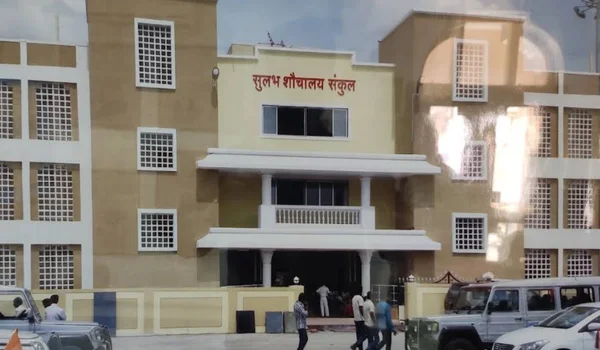
- Address: Mahavir Enclave, Palam-Dabri Road, New Delhi, India
- Situated near Palam
Google Maps Location
How to Reach
You can easily reach the museum using different modes of transport:
- By Metro: The nearest metro stations are:
- Dashrath Puri Metro Station
- Dwarka Mor Metro Station
- By Bus: DTC buses are available to Palam and nearby areas
- By Cab/Auto: Easily accessible via Ola, Uber, or local autos
Nearest Metro
The nearest metro is Dashrath Puri Metro Station (Magenta Line), which is around 1–2 km away from the museum.
Timing
- Opening Days: Monday to Saturday
- Timing: 10:00 AM to 5:00 PM
- Closed on Sundays and public holidays
Tip: Visit in the morning to explore comfortably without crowds.
Ticket Price
- Entry Fee: Free of cost
Yes, you can explore this unique museum without paying any ticket price, making it a budget-friendly attraction in Delhi.
What to See Inside
Inside the museum, you will find a fascinating collection of toilets and sanitation-related items from different time periods:
Ancient Toilets
- Chamber pots used in ancient civilizations
- Early drainage systems from Harappa and Roman times
Royal & Decorative Toilets
- Gold and silver toilet replicas
- Toilets used by kings and queens in Europe
Unique & Funny Designs
- Musical toilet
- Car-shaped toilet
- Unusual designs from across the world
Modern Sanitation Technology
- Sulabh’s eco-friendly toilet systems
- Low-cost sanitation models for rural India
Visitor Experience
Visitors often describe the museum as:
- Educational and eye-opening
- Fun and surprising
- Different from typical tourist places
It is especially useful for:
- Students
- Researchers
- Families with kids
- Travelers looking for offbeat attractions
Facilities Available
- Clean premises
- Basic seating area
- Informational displays and boards
- Nearby parking available
Best Time to Visit
The best time to visit is:
- October to March (pleasant weather in Delhi)
Avoid peak summer afternoons as Delhi can get very hot.
Travel Tips
- Combine your visit with nearby attractions for a full-day trip
- Spend at least 1–2 hours exploring the exhibits
- Carry water, especially in summer
- Ideal for educational trips and blogging content
Nearby Places to Visit
You can also explore nearby attractions:
- Dwarka Sector 10 Market – for shopping & food
- ISKCON Dwarka – spiritual visit
- Dilli Haat – handicrafts & food
Pros & Cons
Pros
- Free entry (no ticket price)
- Unique concept in India
- Educational and informative
- Not very crowded
Cons
- Limited space (can be explored quickly)
- Not a typical “entertainment” place
- Location is slightly interior
FAQs
Q: What is the timing of Sulabh International Museum of Toilets?
A: The timing is 10:00 AM to 5:00 PM, Monday to Saturday.
Q: What is the ticket price?
A: The ticket price is completely free.
Q: What is the nearest metro station?
A: The nearest metro is Dashrath Puri Metro Station on the Magenta Line.
Q: Is it worth visiting?
A: Yes, especially if you like unique and educational places.
Q: How much time is needed?
A: Around 1 to 2 hours is enough.
Final Thoughts
The Sulabh International Museum of Toilets is a perfect example of how even the most common things in life can have a deep history and importance. It is not just a museum—it is a message about cleanliness, dignity, and human development.
If you are in Delhi and want to explore something different, this place should definitely be on your list.