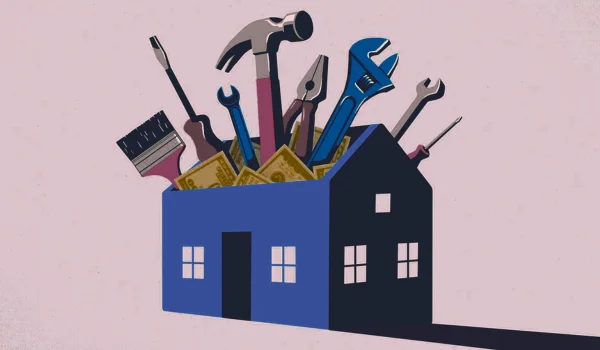
Building, renovating, or repairing a home is a major investment. Whether you are planning a complete home construction project, kitchen renovation, bathroom upgrade, or simple repairs, choosing the right contractor plays an important role in the quality and success of the work.
A reliable contractor can complete the project on time, maintain quality standards, and manage costs properly. On the other hand, hiring the wrong contractor can lead to delays, poor workmanship, budget problems, and unnecessary stress.
Before finalizing a home contractor, it is important to check their experience, reputation, documents, and working process.
Why Choosing the Right Home Contractor Is Important?

A contractor manages many important aspects of a home project, including:
- Labour management
- Material selection
- Construction quality
- Project timeline
- Budget control
- Safety standards
A good contractor helps turn your ideas into reality while avoiding common construction problems.
Things to Check Before Hiring a Home Contractor
- Check the Contractor’s Experience
Experience is one of the most important factors when selecting a contractor.
An experienced contractor usually has better knowledge about:
- Construction methods
- Material quality
- Labour management
- Local building requirements
- Problem-solving during projects
Ask about:
- Number of years in business
- Types of projects completed
- Experience with similar homes
A contractor who has handled projects similar to yours may understand your requirements better.
- Verify Previous Work and Projects
Before hiring a contractor, check their past work.
Ask for:
- Photos of completed projects
- Addresses of previous projects
- Client references
- Portfolio samples
If possible, visit some completed projects to check:
- Finishing quality
- Material usage
- Design execution
- Overall workmanship
Past work gives a better idea of what you can expect.
- Check Reviews and Reputation
A contractor’s reputation can tell you a lot about their reliability.
Look for:
- Online reviews
- Customer feedback
- Local recommendations
- Complaints or disputes
Pay attention to repeated issues such as:
- Delays
- Poor quality work
- Hidden charges
- Communication problems
A few negative reviews may be normal, but repeated complaints are a warning sign.
- Verify License and Registration
Depending on your location and project type, contractors may need specific registrations or approvals.
Check:
- Business registration details
- Required licenses
- Tax-related documents
- Professional certifications, if applicable
Proper documentation shows that the contractor operates professionally.
- Confirm Insurance Coverage
Construction and renovation work involves risks.
A professional contractor should have appropriate insurance coverage to protect against:
- Worker accidents
- Property damage
- Unexpected issues
Ask the contractor about available insurance coverage before starting the project.
- Compare Multiple Contractors
Do not hire the first contractor you meet.
Contact at least three contractors and compare:
- Pricing
- Experience
- Work approach
- Estimated timeline
- Material quality
Comparing options helps you understand the market rate and avoid overpaying.
- Ask for a Detailed Cost Estimate
A proper cost estimate should clearly mention all expected expenses.
It should include:
- Labour charges
- Material costs
- Transportation charges
- Additional expenses
- Payment schedule
Avoid contractors who provide only a rough verbal estimate.
A detailed written estimate reduces confusion later.
- Understand What Is Included in the Contract
Before starting work, create a written agreement.
The contract should mention:
- Project scope
- Materials to be used
- Total cost
- Payment schedule
- Completion timeline
- Quality standards
- Warranty details
- Responsibilities of both parties
A written contract protects both the homeowner and the contractor.
- Check Material Quality
Some contractors reduce costs by using low-quality materials.
Discuss clearly:
- Brand names
- Material specifications
- Quality standards
- Replacement policies
Ask whether you can inspect materials before installation.
Important areas to check include:
- Cement
- Steel
- Tiles
- Paint
- Electrical items
- Plumbing materials
- Discuss Project Timeline
Delays are common in construction projects.
Before hiring, discuss:
- Expected start date
- Completion date
- Work schedule
- Possible delay reasons
A professional contractor should provide a realistic timeline instead of making unrealistic promises.
- Understand Payment Terms
Payment structure should be clear before work begins.
Avoid paying the full amount upfront.
A safer approach is milestone-based payments, such as:
- Initial advance
- Payment after foundation completion
- Payment after major stages
- Final payment after inspection
This encourages timely completion and quality work.
- Check Communication Skills
Good communication is essential during a home project.
A reliable contractor should:
- Respond to questions
- Provide regular updates
- Explain changes clearly
- Discuss problems openly
Poor communication often leads to misunderstandings and delays.
- Ask About Labour and Team Management
The contractor should have a reliable team of workers.
Ask about:
- Number of workers involved
- Experience of labourers
- Supervision process
- Safety practices
Proper supervision improves work quality.
- Understand Warranty and After-Service Support
Some construction issues appear after completion.
Ask whether the contractor provides support for:
- Repair work
- Structural issues
- Material problems
- Finishing defects
A contractor who provides after-service support shows confidence in their work.
- Check Legal Permissions and Approvals
For major construction projects, ensure required permissions are available.
Depending on the project, you may need:
- Building approvals
- Local authority permissions
- Safety approvals
A professional contractor should help guide you through necessary requirements.
Warning Signs of an Unreliable Contractor
Be careful if a contractor:
- Refuses to provide a written agreement
- Demands full payment upfront
- Offers an unusually low price
- Avoids sharing previous work details
- Changes costs frequently
- Does not communicate properly
- Uses poor-quality materials
These signs may indicate future problems.
Questions to Ask Before Hiring a Contractor
Before finalizing, ask:
- How many years of experience do you have?
- Can you show previous projects?
- What materials will you use?
- What is the estimated completion time?
- How will payments be scheduled?
- Who will supervise the work?
- What happens if there are delays?
- Do you provide any warranty?
Home Contractor Selection Checklist
| Factor | What to Check |
| Experience | Years of work and similar projects |
| Reputation | Reviews and customer feedback |
| Documents | Registration and licenses |
| Cost Estimate | Detailed written quotation |
| Materials | Quality and brand details |
| Timeline | Realistic completion schedule |
| Contract | Written terms and conditions |
| Payment | Clear milestone-based payments |
| Communication | Regular updates and response quality |
| Support | Warranty and after-service |
Tips to Avoid Problems With Contractors
Keep Everything in Writing
Avoid relying only on verbal discussions.
Visit the Work Site Regularly
Regular inspections help identify problems early.
Do Not Focus Only on Low Price
The cheapest option may lead to higher repair costs later.
Maintain Budget Flexibility
Construction projects may involve unexpected expenses.
Keep Records of Payments
Maintain receipts and payment records for future reference.
Final Thoughts
Hiring a home contractor requires careful research and planning. A contractor’s experience, reputation, pricing transparency, and communication skills can significantly affect the success of your project.
Before signing an agreement, compare multiple options, verify past work, discuss costs clearly, and ensure everything is documented.
Choosing the right contractor may take extra time in the beginning, but it can save you from expensive mistakes and help you create a safe, durable, and well-built home.