Packaged foods have become a common part of our daily lives. From breakfast cereals and snacks to biscuits, juices, and ready-to-eat meals, many products come with attractive packaging and marketing claims.
However, the information on the food label is more important than the advertisements on the front of the package. Learning how to read food labels helps you understand what you are eating and make healthier choices.
Why Is Reading Food Labels Important?
Food labels help consumers know:
- What ingredients are present
- How much nutrition the product provides
- Whether the product contains allergens
- The amount of sugar, salt, and fat
- Storage and expiry information
A few minutes spent reading labels can help you avoid unhealthy choices and choose better products.
Important Parts of a Food Label
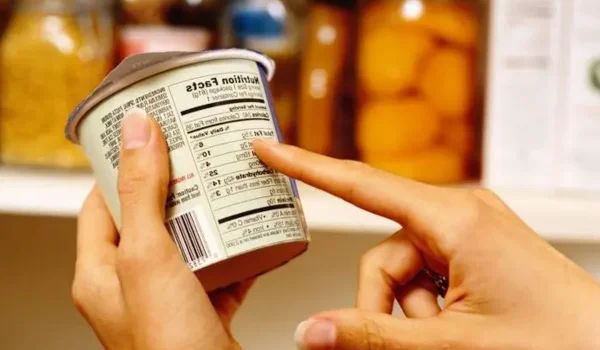
- Product Name
The product name tells you what the food item is.
Do not rely only on attractive words like:
- Healthy
- Natural
- Premium
- Energy boosting
- Low fat
Always check the actual ingredients and nutritional information.
A product may appear healthy but contain high amounts of sugar, salt, or unhealthy fats.
- Ingredient List
The ingredient list is one of the most important parts of a food label.
Ingredients are usually listed in order of quantity.
The first few ingredients are present in the largest amounts.
For example:
If sugar appears among the first few ingredients, the product may contain a high amount of added sugar.
Look for:
- Whole grains
- Fruits
- Vegetables
- Nuts
- Natural ingredients
Be careful with:
- Excess sugar
- Artificial additives
- High amounts of refined ingredients
- Nutrition Information Panel
The nutrition panel shows the nutritional value of the product.
It usually includes:
- Calories
- Protein
- Carbohydrates
- Fats
- Sugar
- Fibre
- Sodium
Understanding these details helps you compare different products.
- Serving Size
Serving size tells you the amount of food considered for nutritional calculation.
Many people make mistakes by looking at nutrition values without checking serving size.
For example:
A packet may show low calories per serving, but the entire packet may contain multiple servings.
Always check:
- Serving size
- Number of servings per pack
- Calories
Calories indicate the amount of energy provided by food.
The right calorie intake depends on:
- Age
- Activity level
- Health goals
- Overall diet
Foods high in calories are not always unhealthy, but excessive calorie intake may lead to weight gain.
- Check Sugar Content
Too much added sugar can contribute to health problems when consumed regularly.
Look for:
- Total sugar
- Added sugar (if mentioned)
High sugar is commonly found in:
- Soft drinks
- Sweetened cereals
- Biscuits
- Desserts
- Flavoured beverages
- Check Fat Content
Fat is an important nutrient, but the type and amount matter.
Food labels may show:
- Total fat
- Saturated fat
- Trans fat
Saturated Fat
High intake may not be suitable for everyone, especially when consumed frequently.
Trans Fat
Try to avoid products with high trans fat content.
- Check Protein Content
Protein helps support:
- Muscle health
- Growth
- Body repair
Foods with good protein content may include:
- Dairy products
- Pulses
- Nuts
- Seeds
- Protein-based foods
- Check Fibre Content
Fibre is important for:
- Digestion
- Feeling full for longer
- Overall health
Foods containing fibre often include:
- Whole grains
- Fruits
- Vegetables
- Nuts
Higher fibre content is generally a positive sign.
- Check Sodium and Salt Content
Many packaged foods contain added salt.
High sodium intake may be a concern for some people.
Check sodium levels especially in:
- Chips
- Instant noodles
- Processed snacks
- Ready-to-eat foods
- Expiry Date and Best Before Date
Always check product dates before buying.
Important details include:
- Manufacturing date
- Expiry date
- Best before date
Avoid buying products that are:
- Expired
- Damaged
- Poorly stored
- Food Safety Information
Look for:
- Storage instructions
- Cooking instructions
- Food safety marks
- Manufacturer details
This information helps ensure safe consumption.
- Allergen Information
Some packaged foods may contain allergens.
Common allergens include:
- Milk
- Peanuts
- Nuts
- Soy
- Wheat
- Eggs
People with allergies should carefully check labels before purchasing.
- Vegetarian and Non-Vegetarian Symbols
In India, packaged foods usually carry symbols indicating whether the product is:
- Vegetarian
- Non-vegetarian
Check these symbols if they matter for your food choices.
Understanding Common Food Label Claims
“Low Fat”
This does not always mean healthy.
A low-fat product may still contain:
- High sugar
- Extra additives
“Sugar-Free”
Sugar-free does not always mean calorie-free.
Some products may contain artificial sweeteners or other ingredients.
“Natural”
Natural does not automatically mean nutritious.
Always check the ingredient list.
“Made With Whole Grains”
Check how much whole grain is actually present.
A product may contain only a small amount despite the claim.
“No Added Sugar”
This means no extra sugar was added during production, but the product may still contain naturally occurring sugars.
Tips for Choosing Healthier Packaged Foods
- Compare Similar Products
Before buying, compare:
- Sugar levels
- Fibre content
- Protein content
- Ingredients
Choose the option with better nutritional value.
- Avoid Products With Long Ingredient Lists
A very long ingredient list may indicate a highly processed product.
Focus on products with simpler ingredients whenever possible.
- Do Not Buy Only Based on Front Packaging
The front of the packet is designed for marketing.
The nutrition panel provides the actual information.
- Choose More Whole Foods
Even while buying packaged foods, include more:
- Whole grains
- Nuts
- Fresh fruits
- Vegetables
- Minimally processed foods
Common Mistakes People Make While Reading Labels
- Ignoring Serving Size
People often consume more than the listed serving amount.
- Checking Only Calories
Calories are important, but also check:
- Sugar
- Protein
- Fibre
- Fat quality
- Trusting Health Claims Blindly
Marketing words can sometimes create a misleading impression.
- Not Checking Expiry Dates
Always verify dates before purchasing.
- Ignoring Ingredients
The ingredient list often reveals more than the product advertisement.
Simple Food Label Checklist
Before buying packaged food, check:
✓ Ingredient list
✓ Serving size
✓ Calories
✓ Sugar content
✓ Fat content
✓ Protein amount
✓ Fibre content
✓ Sodium level
✓ Expiry date
✓ Allergens
✓ Storage instructions
Final Thoughts
Reading food labels is a simple habit that can improve your food choices. Instead of depending only on advertisements or attractive packaging, take time to understand the information written on the label.
By checking ingredients, nutrition values, serving sizes, and expiry dates, you can choose packaged foods that better match your health goals and lifestyle. A few extra minutes while shopping can help you make smarter decisions for yourself and your family.