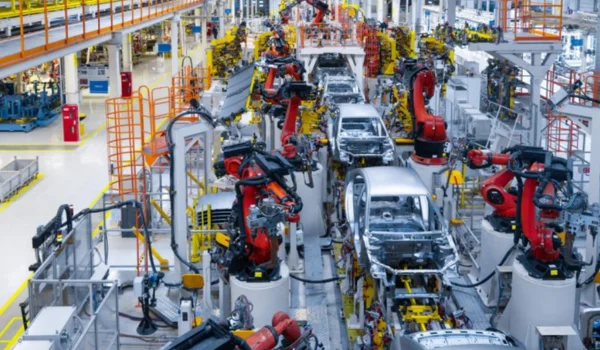
The manufacturing business model is one of the oldest and most important business models in the world. In this model, a company converts raw materials, components, or resources into finished products that are sold to customers, retailers, distributors, or other businesses.
India has a strong manufacturing ecosystem across industries such as automobiles, textiles, food processing, electronics, pharmaceuticals, chemicals, and industrial products. With government initiatives like Make in India and growing domestic demand, manufacturing businesses continue to create opportunities for entrepreneurs.
This guide explains what a manufacturing business model is, different types, how it works, advantages, challenges, and how to start a manufacturing business in India.
Quick Highlights
| Feature | Details |
| Business Model | Producing goods from raw materials |
| Main Activities | Production, quality control, supply chain |
| Customers | Consumers, retailers, businesses |
| Revenue Source | Product sales |
| Popular Industries | Food, Textile, Electronics, Automotive |
What Is a Manufacturing Business Model?
A manufacturing business model is a business system where companies produce physical goods by transforming raw materials into finished products.
The manufacturer creates value by:
- Designing products
- Sourcing raw materials
- Operating production processes
- Maintaining quality
- Selling finished goods
Simple Example:
A furniture manufacturer purchases wood and other materials, produces furniture, and sells it to customers or retailers.
Manufacturing Flow:
Raw Materials → Production → Quality Check → Packaging → Distribution → Customer
How Does the Manufacturing Business Model Work?
A manufacturing business usually follows these steps:
- Product Planning
The company decides:
- What product to manufacture
- Target customers
- Production capacity
- Pricing strategy
- Raw Material Procurement
Manufacturers purchase required materials from suppliers.
Examples:
- Steel for machines
- Fabric for clothing
- Ingredients for food products
- Electronic components for devices
- Production Process
Raw materials are converted into finished products using:
- Machinery
- Labour
- Technology
- Manufacturing processes
- Quality Control
Companies check products to ensure:
- Safety standards
- Product quality
- Customer requirements
- Distribution and Sales
Products are sold through:
- Distributors
- Retailers
- E-commerce platforms
- Direct sales channels
Types of Manufacturing Business Models
- Make-to-Stock (MTS) Model
In this model, companies manufacture products based on expected demand and maintain inventory.
Examples:
- FMCG products
- Clothing
- Electronics
Advantages:
- Faster customer delivery
- Suitable for high-demand products
Challenge:
Risk of excess inventory.
- Make-to-Order (MTO) Model
Products are manufactured only after receiving customer orders.
Examples:
- Custom furniture
- Industrial machinery
- Customized products
Advantages:
- Lower inventory cost
- Less product wastage
Challenge:
Longer delivery time.
- Mass Production Model
Companies produce large quantities of standardized products.
Examples:
- Automobiles
- Consumer goods
- Packaged products
Benefits:
- Lower production cost
- Higher efficiency
- Custom Manufacturing Model
Products are made according to specific customer requirements.
Examples:
- Specialized equipment
- Customized machinery
- Premium products
- Contract Manufacturing Model
A company manufactures products for another brand.
The brand handles:
- Marketing
- Sales
- Customer relationships
The manufacturer handles:
- Production
- Quality control
Example:
A consumer brand hires another factory to manufacture its products.
- Private Label Manufacturing
A manufacturer produces products that are sold under another company’s brand name.
Examples:
- Beauty products
- Food products
- Household items
Popular Manufacturing Industries in India
- Food Processing Manufacturing
Products:
- Packaged foods
- Snacks
- Beverages
- Spices
Why popular:
- Large consumer market
- Regular demand
- Textile and Garment Manufacturing
Products:
- Clothing
- Fabrics
- Home textiles
India has a strong textile manufacturing ecosystem.
- Electronics Manufacturing
Products:
- Mobile accessories
- Consumer electronics
- Components
Growing due to increasing technology demand.
- Automotive Manufacturing
Products:
- Vehicles
- Auto components
- Spare parts
- Pharmaceutical Manufacturing
Products:
- Medicines
- Healthcare products
- Furniture Manufacturing
Products:
- Home furniture
- Office furniture
- Customized products
Manufacturing Business Revenue Model
A manufacturing company mainly earns through product sales.
- Direct Sales
Manufacturer sells directly to customers.
Example:
Factory → Customer
- Distributor Model
Manufacturer sells products through distributors.
Example:
Factory → Distributor → Retailer → Customer
- Wholesale Model
Products are sold in bulk to wholesalers.
- B2B Supply Model
Manufacturers supply products to other businesses.
Examples:
- Auto parts supplier
- Packaging supplier
Advantages of Manufacturing Business Model
- Large Market Opportunities
Physical products are required across industries.
- Higher Growth Potential
Manufacturers can scale production as demand increases.
- Multiple Sales Channels
Products can be sold through:
- Retail
- Online platforms
- Export markets
- B2B customers
- Brand Building Opportunity
Successful manufacturers can create strong product brands.
- Government Support
Manufacturing businesses may benefit from:
- Government schemes
- MSME support
- Industry incentives
Challenges of Manufacturing Business Model
- High Initial Investment
Manufacturing requires investment in:
- Machinery
- Factory setup
- Raw materials
- Labour
- Inventory Management
Businesses need to manage:
- Raw materials
- Finished goods
- Storage costs
- Production Challenges
Problems may include:
- Machine breakdowns
- Quality issues
- Supply delays
- Competition
Manufacturers face competition from:
- Local producers
- Large companies
- Imported products
- Regulatory Requirements
Businesses may need:
- Licences
- Safety approvals
- Environmental permissions
- Tax registrations
Manufacturing vs Trading Business Model
| Feature | Manufacturing | Trading |
| Main Activity | Producing goods | Buying and selling goods |
| Investment | Higher | Lower |
| Control | High | Limited |
| Profit Margin | Usually higher | Usually lower |
| Risk | Higher | Lower |
| Example | Factory producing shoes | Retailer selling shoes |
How to Start a Manufacturing Business in India?
Step 1: Select a Product
Choose products based on:
- Market demand
- Competition
- Investment capacity
- Profit margin
Step 2: Conduct Market Research
Analyze:
- Customer demand
- Competitors
- Pricing
- Suppliers
Step 3: Prepare Business Plan
Include:
- Investment requirement
- Production capacity
- Marketing strategy
- Revenue expectations
Step 4: Arrange Investment
Funding options:
- Personal savings
- Bank loans
- MSME schemes
- Investors
Step 5: Setup Manufacturing Unit
Arrange:
- Location
- Machinery
- Raw materials
- Workforce
Step 6: Complete Registrations
Common requirements:
- Business registration
- GST registration
- MSME registration
- Factory licence (if applicable)
- Industry-specific approvals
Step 7: Start Production and Sales
Focus on:
- Product quality
- Cost control
- Distribution network
- Customer relationships
Low Investment Manufacturing Business Ideas in India
| Business Idea | Investment Level |
| Paper products | Low |
| Spice manufacturing | Low to Medium |
| Candle manufacturing | Low |
| Packaging products | Medium |
| Furniture manufacturing | Medium |
| Food processing | Medium |
| Clothing manufacturing | Medium |
Common Manufacturing Business Mistakes
- Starting Without Demand Research
A good product needs a market.
- Buying Expensive Machinery Too Early
Start according to actual production requirements.
- Ignoring Quality Control
Poor quality damages customer trust.
- Poor Inventory Management
Excess stock increases costs.
- Depending on One Customer
Diversify your customer base.
Frequently Asked Questions
What is a manufacturing business model?
A manufacturing business model involves producing goods from raw materials and selling them to customers or businesses.
Is manufacturing profitable in India?
Yes, manufacturing can be profitable due to large demand and growth opportunities, but success depends on product selection, cost management, and market strategy.
What is the difference between manufacturing and production?
Manufacturing specifically refers to converting raw materials into finished goods, while production is a broader term that includes creating goods or services.
Which manufacturing business is best in India?
Popular opportunities include food processing, packaging, textiles, electronics, and consumer products.
Can small businesses start manufacturing?
Yes, many MSMEs start small manufacturing units with limited investment and gradually expand.
Conclusion
The manufacturing business model plays a major role in India’s economy by creating products, employment, and business opportunities. From small-scale production units to large industrial factories, manufacturing businesses can grow significantly when they have strong demand, efficient operations, and effective cost management.
For entrepreneurs, choosing the right product, understanding the market, maintaining quality, and building reliable supply chains are key factors for creating a successful manufacturing business in India.