The D2C (Direct-to-Consumer) business model has become one of the fastest-growing business models in India. In this model, companies sell their products directly to customers without depending on traditional middlemen such as distributors, wholesalers, or retail stores.
With the growth of e-commerce, social media, digital payments, and online marketing, many Indian startups and brands are adopting the D2C model to build direct relationships with customers, improve profit margins, and control the entire buying experience.
This guide explains what a D2C business model is, how it works, examples, advantages, challenges, and how entrepreneurs can start a D2C brand in India.
Quick Highlights
| Feature | Details |
| Full Form | Direct-to-Consumer |
| Business Type | Manufacturer/Brand → Customer |
| Main Channel | Website, Apps, Marketplaces, Social Media |
| Popular Industries | Fashion, Beauty, Food, Electronics, Healthcare |
| Main Benefit | Direct customer relationship and better control |
What Is a D2C Business Model?
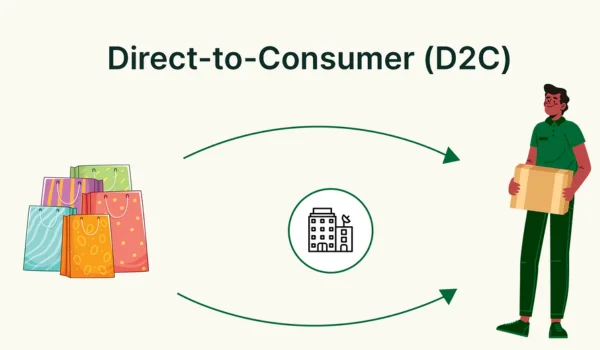
D2C (Direct-to-Consumer) is a business model where a brand sells products directly to customers without using traditional distribution channels.
Traditional Model:
Manufacturer → Distributor → Wholesaler → Retailer → Customer
D2C Model:
Brand → Customer
In a D2C model, the company manages:
- Product development
- Branding
- Marketing
- Sales
- Customer service
- Delivery experience
How Does the D2C Business Model Work?
A D2C brand usually follows these steps:
- Product Creation
The company develops or manufactures its own products.
Examples:
- Clothing
- Skincare products
- Food items
- Electronics accessories
- Online Marketing
The brand reaches customers through:
- Social media
- Search engines
- Influencer marketing
- Email marketing
- Online advertisements
- Direct Sales
Customers purchase products through:
- Brand website
- Mobile application
- Social media stores
- Online marketplaces
- Customer Relationship Management
Since the brand interacts directly with customers, it can collect:
- Feedback
- Reviews
- Buying preferences
- Customer data
This helps improve products and marketing strategies.
D2C vs Traditional Business Model
| Feature | D2C Model | Traditional Model |
| Sales Channel | Direct to customer | Through distributors and retailers |
| Customer Data | Owned by brand | Limited access |
| Profit Margin | Usually higher | Shared with intermediaries |
| Brand Control | High | Lower |
| Customer Relationship | Direct | Indirect |
| Marketing | Digital-focused | Distributor + retail marketing |
Examples of D2C Brands in India
Many Indian companies have grown using the D2C model.
| Industry | Examples |
| Beauty & Personal Care | Mamaearth, Sugar Cosmetics |
| Fashion | Bewakoof, The Souled Store |
| Food & Beverages | Country Delight, Epigamia |
| Eyewear | Lenskart |
| Electronics Accessories | boAt |
| Wellness | Health-focused D2C brands |
Note: Business models may evolve over time, and many brands also use offline retail channels along with D2C.
Popular D2C Business Categories in India
- Beauty and Personal Care
Products:
- Skincare
- Haircare
- Cosmetics
- Natural products
Why it works:
- Strong online demand
- Repeat purchases
- Social media-friendly products
- Fashion and Lifestyle
Products:
- Clothing
- Footwear
- Accessories
- Personalized products
Benefits:
- Direct customer feedback
- Easy online selling
- Food and Beverage
Products:
- Healthy snacks
- Organic food
- Ready-to-eat products
- Beverages
Growing due to changing consumer preferences.
- Health and Wellness
Products:
- Supplements
- Fitness products
- Wellness items
Increasing health awareness has boosted this segment.
- Home and Lifestyle Products
Products:
- Home décor
- Kitchen products
- Furniture accessories
Advantages of the D2C Business Model
- Higher Profit Margins
By removing intermediaries, brands can keep a larger portion of revenue.
Example:
Traditional businesses may share profits with distributors and retailers, while D2C brands sell directly.
- Direct Customer Relationship
Brands understand customers better through:
- Reviews
- Purchase history
- Feedback
- Better Brand Control
Companies control:
- Pricing
- Packaging
- Customer experience
- Marketing strategy
- Faster Product Improvement
Customer feedback can help brands quickly improve products.
- Lower Entry Barrier
Entrepreneurs can start D2C businesses with:
- Small product lines
- Online stores
- Digital marketing
Challenges of the D2C Business Model
- High Marketing Costs
D2C brands often spend heavily on:
- Social media ads
- Influencer marketing
- Search advertising
- Customer Acquisition Difficulty
Attracting new customers can be expensive due to competition.
- Logistics Management
Brands must manage:
- Packaging
- Shipping
- Returns
- Customer support
- Building Brand Trust
New brands need time to establish credibility.
- Inventory Management
Poor inventory planning can lead to:
- Excess stock
- Storage costs
- Product wastage
How to Start a D2C Business in India?
Step 1: Identify a Product Opportunity
Research:
- Customer problems
- Market demand
- Competitors
- Pricing
Step 2: Create Your Product
Decide whether you will:
- Manufacture yourself
- Use contract manufacturing
- Source products from suppliers
Step 3: Build Your Brand
Create:
- Brand name
- Logo
- Packaging
- Brand story
Step 4: Set Up Online Sales Channels
Options include:
- Own website
- E-commerce marketplaces
- Social media stores
Step 5: Develop Marketing Strategy
Use:
- SEO
- Content marketing
- Social media
- Influencer partnerships
- Paid advertising
Step 6: Manage Delivery and Customer Service
Focus on:
- Fast delivery
- Easy returns
- Customer support
- Product quality
D2C Business Investment Requirements
Investment depends on the product category.
| Business Type | Approximate Starting Investment |
| Small handmade products | ₹50,000–₹2 Lakhs |
| Food products | ₹2–10 Lakhs |
| Fashion brand | ₹3–15 Lakhs |
| Beauty products | ₹5–20 Lakhs |
| Electronics brand | Higher investment |
D2C Revenue Models
A D2C business can earn through:
- Product Sales
Selling products directly to customers.
- Subscription Model
Customers pay regularly for products.
Examples:
- Monthly wellness boxes
- Food subscriptions
- Premium Products
Selling higher-value products with better margins.
- Repeat Purchases
Building customer loyalty for regular buying.
Common Mistakes D2C Brands Make
- Starting Without Market Research
A good product needs real customer demand.
- Spending Too Much on Ads
Paid marketing without proper strategy can reduce profits.
- Ignoring Customer Experience
Poor delivery or support can damage brand reputation.
- Not Focusing on Repeat Customers
Long-term success requires customer retention.
- Copying Existing Brands
A unique value proposition helps create a strong identity.
D2C vs Marketplace Model
| Feature | D2C Website | Marketplace |
| Customer Ownership | Brand owns customer relationship | Marketplace controls relationship |
| Profit Margin | Higher potential | Lower due to commissions |
| Competition | Lower on own platform | High |
| Brand Building | Stronger | Limited |
Frequently Asked Questions
What does D2C mean?
D2C means Direct-to-Consumer, where brands sell products directly to customers without traditional middlemen.
Is D2C profitable in India?
Yes, D2C can be profitable due to higher margins and direct customer relationships, but success depends on product quality, marketing, and operations.
Can I start a D2C business with low investment?
Yes. Small product categories like handmade goods, food products, and niche lifestyle products can be started with relatively low investment.
Is D2C better than traditional business?
D2C provides better control and customer relationships, while traditional models may offer wider offline reach. The better option depends on the product and market.
What industries are best for D2C businesses?
Beauty, fashion, food, health, wellness, and lifestyle products are among the popular D2C categories in India.
Conclusion
The D2C business model has transformed how brands sell products in India by allowing companies to connect directly with customers through digital platforms. It provides benefits like higher control, better customer insights, and improved profit potential.
However, building a successful D2C brand requires more than just selling online. Entrepreneurs need strong products, effective marketing, efficient logistics, and excellent customer service. With the right strategy, D2C can become a scalable and profitable business model in India’s growing digital economy.