Inflation is a common economic term that we often hear in news reports, but many people do not fully understand how it affects their everyday life. Simply put, inflation means a rise in the prices of goods and services over time, which reduces the purchasing power of money.
When inflation increases, the same amount of money buys fewer things than before. This affects everything from groceries and fuel to education, healthcare, savings, and investments.
Understanding inflation can help you make better financial decisions and prepare for rising costs.
What Is Inflation?
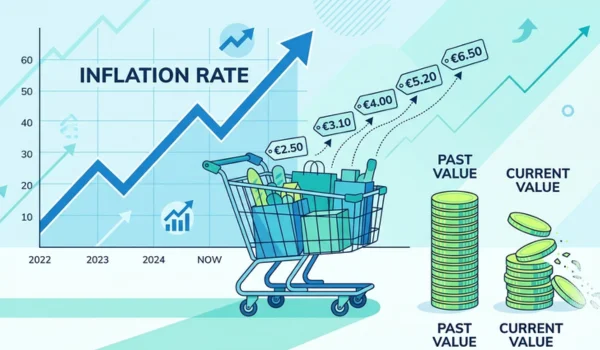
Inflation is the gradual increase in the prices of goods and services in an economy.
For example:
- A product that costs $10 today may cost more in the future due to inflation.
- The same $10 will buy fewer items than it could buy earlier.
This does not mean that money disappears, but its value decreases because prices increase.
Simple Example of Inflation
Imagine you spend $500 every month on household groceries.
After a few years, because of inflation, the same groceries may cost $600.
Your expenses have increased even though your shopping habits have remained the same.
This is how inflation affects your daily budget.
How Inflation Affects Your Daily Life
Increase in Grocery Prices
One of the first places people notice inflation is in their daily food expenses.
Prices of items such as:
- Vegetables
- Fruits
- Milk
- Cooking oil
- Rice
- Wheat
- Packaged foods
may increase over time.
Families may need to spend more money to buy the same quantity of groceries.
Higher Fuel Costs
Inflation often affects fuel prices, which can impact transportation costs.
When fuel prices increase:
- Petrol and diesel become more expensive
- Travel expenses rise
- Transportation charges increase
- Delivery costs may go up
These higher costs can indirectly increase the prices of many products.
Increased Household Expenses
Inflation affects almost every regular household expense.
Common areas where costs may rise include:
- Electricity bills
- Internet charges
- Rent
- Household items
- Maintenance costs
- Personal care products
As prices increase, families may need to adjust their monthly budgets.
Impact on Rent and Housing Costs
Housing expenses are strongly affected by inflation.
Rent may increase because:
- Property maintenance costs rise
- Construction expenses increase
- Demand for housing changes
People planning to buy a house may also experience higher costs due to increased prices of land, materials, and labour.
Effect on Healthcare Costs
Healthcare expenses often rise faster than general inflation.
Costs that may increase include:
- Doctor consultations
- Medicines
- Medical tests
- Hospital charges
- Health insurance premiums
This is why financial planning for healthcare is important.
Impact on Education Expenses
Inflation also affects education costs.
Parents may notice increases in:
- School fees
- College fees
- Books
- Coaching classes
- Educational materials
Long-term education planning should consider future price increases.
Reduces the Value of Savings
Inflation can reduce the real value of money kept only in savings.
For example:
If you save $10,000 today, that money will still be $10,000 in the future, but it may buy fewer goods and services because prices have increased.
This is why many people consider investing to protect their money from inflation.
Impact on Salaries and Income
When inflation rises, people may need higher income to maintain the same lifestyle.
If income does not increase at the same rate as inflation:
- Purchasing power decreases
- Savings may reduce
- Monthly budgets become tighter
Salary growth becomes important to maintain financial stability.
Affects Your Lifestyle Choices
Inflation may force people to change their spending habits.
For example, families may:
- Reduce unnecessary purchases
- Choose cheaper alternatives
- Delay major purchases
- Look for discounts
- Increase savings discipline
Small lifestyle adjustments can help manage rising costs.
Why Does Inflation Happen?
Several factors can cause inflation.
Increase in Demand
When demand for products increases faster than supply, prices may rise.
Example:
If many people want to buy a limited number of products, sellers may increase prices.
Increase in Production Costs
When businesses face higher costs for:
- Raw materials
- Labour
- Transportation
- Energy
they may increase product prices to maintain profits.
Increase in Money Supply
If more money enters an economy without a similar increase in goods and services, the value of money may decrease, contributing to inflation.
Global Events
International events can affect inflation through:
- Fuel price changes
- Supply chain problems
- Currency fluctuations
- Global shortages
How Inflation Affects Different People
For Employees
Employees may experience:
- Higher living costs
- Pressure for salary increases
- Reduced savings ability
For Business Owners
Businesses may face:
- Higher operating costs
- Increased raw material prices
- Changing customer demand
For Retired People
Retired individuals may face challenges because:
- Medical costs increase
- Regular income may not rise
- Savings may lose purchasing power
How to Protect Yourself From Inflation
Create a Realistic Budget
A budget helps you understand where your money goes and identify unnecessary expenses.
Track:
- Monthly income
- Essential expenses
- Savings
- Investments
- Debt payments
Increase Your Savings Rate
As income grows, try to increase savings instead of only increasing spending.
This creates a stronger financial cushion.
Invest Wisely
Keeping all money in cash may reduce its value over time due to inflation.
Many people consider different investment options based on their goals, risk level, and financial situation.
Build Multiple Income Sources
Additional income sources can provide more financial flexibility.
Examples include:
- Freelancing
- Side businesses
- Skill-based work
- Passive income options
Review Your Expenses Regularly
Regular expense reviews help you identify areas where you can save money without affecting your lifestyle significantly.
Inflation vs Interest Rates
Inflation and interest rates are closely connected.
When inflation increases, central banks may increase interest rates to control rising prices.
Higher interest rates can affect:
- Home loans
- Personal loans
- Savings returns
- Business borrowing costs
Inflation Example: Then vs Now
| Item | Earlier Price | Price After Inflation |
| Grocery bill | Lower | Higher |
| Fuel cost | Lower | Higher |
| Rent | Lower | Higher |
| Education fees | Lower | Higher |
| Healthcare costs | Lower | Higher |
(Actual price changes depend on location, time period, and market conditions.)
Common Mistakes People Make During Inflation
Keeping Too Much Money Idle
Keeping excessive cash without planning may reduce purchasing power over time.
Ignoring Rising Expenses
Many people continue old spending habits without adjusting their budget.
Delaying Financial Planning
Inflation makes long-term goals more expensive, so early planning becomes important.
Not Increasing Income Skills
Improving skills and earning ability can help manage rising costs.
Final Thoughts
Inflation affects almost every part of daily life, from grocery shopping and fuel expenses to education, healthcare, and savings. While inflation is a normal part of an economy, ignoring its impact can create financial challenges over time.
The best way to deal with inflation is to manage expenses wisely, increase savings, invest according to your goals, and continuously improve your earning potential. Understanding inflation helps you make smarter financial decisions and protect your future purchasing power.