Fresh vegetables are an important part of a healthy diet, but they can spoil quickly if they are not stored properly. Many people lose money by throwing away vegetables that become soft, dry, or rotten within a few days.
Proper storage methods can help vegetables stay fresh for longer, maintain their taste, and reduce food waste. Different vegetables require different storage conditions, so understanding the right method is important.
Why Proper Vegetable Storage Is Important?
Storing vegetables correctly helps to:
- Keep vegetables fresh for longer
- Maintain nutritional value
- Reduce food wastage
- Save money
- Improve meal planning
Simple storage habits can make a big difference in the life of your vegetables.
General Tips for Storing Vegetables
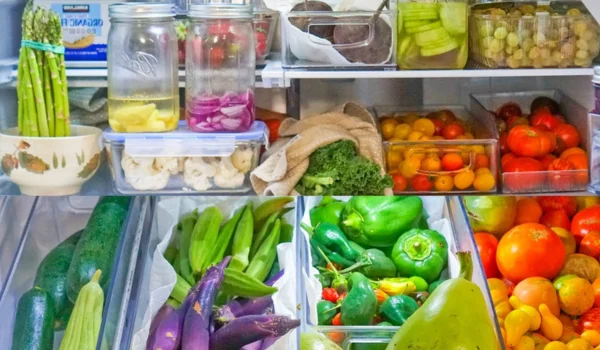
- Avoid Washing Vegetables Before Storage
Many people wash vegetables immediately after buying them, but excess moisture can speed up spoilage.
Better approach:
- Wash vegetables before use
- Remove dirt with a dry cloth if needed
- Store them properly until cooking
However, leafy vegetables can be washed and dried before storage if you remove all extra water.
- Remove Damaged Vegetables
Check vegetables regularly and remove spoiled pieces.
A rotten vegetable can affect nearby vegetables by spreading moisture and bacteria.
- Store Vegetables at the Right Temperature
Most vegetables stay fresh in cool conditions.
Use:
- Refrigerator for many vegetables
- Room temperature for some vegetables
- Dry storage areas for others
Avoid keeping vegetables near heat sources like:
- Gas stove
- Direct sunlight
- Warm kitchen corners
- Use Proper Containers and Bags
The right storage container can increase freshness.
Useful options:
- Ventilated containers
- Paper bags
- Cloth bags
- Vegetable storage boxes
Avoid completely sealed plastic bags because trapped moisture can cause vegetables to rot.
- Keep Vegetables Dry
Moisture is one of the biggest reasons vegetables spoil.
To prevent this:
- Use paper towels in vegetable drawers
- Remove excess water
- Keep storage areas clean and dry
How to Store Different Vegetables
- Leafy Vegetables
Examples:
- Spinach
- Coriander
- Fenugreek leaves
- Lettuce
Storage method:
- Remove damaged leaves
- Wash only if necessary
- Dry completely
- Wrap in a paper towel
- Store in the refrigerator
This helps prevent leaves from becoming soggy.
- Potatoes
Potatoes should not usually be stored in the refrigerator.
Best method:
- Keep in a cool, dark place
- Use a basket or paper bag
- Avoid direct sunlight
Do not store potatoes with onions because both can spoil faster.
- Onions
Store onions in:
- Dry
- Cool
- Well-ventilated places
Avoid:
- Plastic bags
- Moist areas
Proper airflow helps onions last longer.
- Tomatoes
Tomato storage depends on ripeness.
For unripe tomatoes:
- Keep at room temperature
- Avoid direct sunlight
For ripe tomatoes:
- Store in the refrigerator if you want them to last longer
Bring refrigerated tomatoes to room temperature before eating for better taste.
- Carrots
To keep carrots fresh:
- Remove green tops
- Store in the refrigerator
- Keep them in a container or bag
Removing tops prevents moisture loss.
- Green Beans
Storage method:
- Keep dry
- Place in a paper towel-lined container
- Store in the refrigerator
Avoid washing before storage unless they are dried completely.
- Cauliflower and Broccoli
These vegetables need moisture control.
Store them by:
- Wrapping loosely in a paper towel
- Keeping them in the refrigerator
- Avoiding airtight containers
- Cucumbers
Cucumbers stay fresh when stored:
- In the refrigerator
- Away from very cold areas
- Wrapped properly to prevent moisture loss
Avoid storing them near fruits that release gases and speed up ripening.
- Garlic
Garlic should be stored:
- In a dry place
- With proper air circulation
- Away from sunlight
Avoid storing garlic in sealed plastic containers.
- Ginger
Ginger can be stored:
- In the refrigerator
- In a paper bag or container
- Away from excess moisture
It can also be stored in the freezer for longer use.
Tips for Refrigerator Vegetable Storage
Use the Vegetable Drawer
Most refrigerators have a vegetable drawer designed to maintain suitable humidity.
Do Not Overfill the Drawer
Too many vegetables reduce airflow and increase spoilage.
Organise Vegetables Properly
Keep:
- Older vegetables in front
- Newly purchased vegetables behind
This helps use older stock first.
Check Vegetables Regularly
Spend a few minutes every few days checking:
- Soft vegetables
- Rotten areas
- Excess moisture
Remove spoiled items quickly.
Common Vegetable Storage Mistakes
- Keeping All Vegetables Together
Different vegetables have different storage needs.
Some release natural gases that can speed up spoilage of others.
- Storing Wet Vegetables
Extra moisture encourages:
- Fungus
- Softness
- Rotting
Always dry vegetables properly.
- Using Dirty Containers
Unclean storage boxes can spread bacteria.
Clean containers before reuse.
- Keeping Vegetables Near Fruits
Some fruits release ethylene gas, which can make vegetables spoil faster.
Keep certain fruits and vegetables separately.
- Buying More Than Needed
Buying excessive quantities often leads to waste.
Purchase vegetables according to:
- Family size
- Weekly meal plans
- Consumption habits
How Long Can Common Vegetables Stay Fresh?
| Vegetable | Approximate Storage Method |
| Spinach and leafy greens | Refrigerator for a few days |
| Carrots | Refrigerator for several weeks |
| Potatoes | Cool, dark place for weeks |
| Onions | Dry storage for weeks |
| Tomatoes | Room temperature or refrigerator depending on ripeness |
| Beans | Refrigerator for several days |
| Cauliflower | Refrigerator for several days |
| Garlic | Dry storage for weeks |
(The exact freshness time depends on quality, temperature, and storage conditions.)
Natural Ways to Keep Vegetables Fresh
- Use Paper Towels
Paper towels absorb extra moisture and help prevent spoilage.
- Use Cloth Bags
Cloth bags allow airflow and reduce moisture buildup.
- Store Root Vegetables Properly
Vegetables like potatoes and onions last longer when stored in dark, dry places.
- Freeze Vegetables for Long-Term Storage
Some vegetables can be frozen after proper preparation.
Examples:
- Peas
- Corn
- Chopped vegetables
Freezing helps preserve them for longer periods.
Weekly Vegetable Storage Routine
After Shopping:
✓ Remove damaged pieces
✓ Sort vegetables by type
✓ Dry vegetables properly
✓ Store in suitable containers
During the Week:
✓ Check freshness regularly
✓ Use older vegetables first
✓ Clean storage areas
Quick Vegetable Storage Checklist
✓ Keep vegetables dry
✓ Store according to vegetable type
✓ Use proper containers
✓ Avoid excess moisture
✓ Keep refrigerator organised
✓ Remove spoiled vegetables quickly
✓ Buy according to your needs
Final Thoughts
Proper vegetable storage is a simple habit that can help you enjoy fresher food and reduce unnecessary waste. Every vegetable has different storage requirements, so learning the right method can significantly increase its shelf life.
By keeping vegetables dry, maintaining proper temperature, using suitable containers, and checking them regularly, you can keep your kitchen healthier and save money over time.