In today’s competitive job market, having a degree is important, but it is not the only factor that determines career success. Many employers look beyond educational qualifications and focus on how well a person communicates, works with others, solves problems, and adapts to changes.
These abilities are known as soft skills. They help employees perform better, build strong workplace relationships, and handle professional challenges effectively.
While technical knowledge can help you get a job, strong soft skills can help you grow and succeed in your career.
What Are Soft Skills?
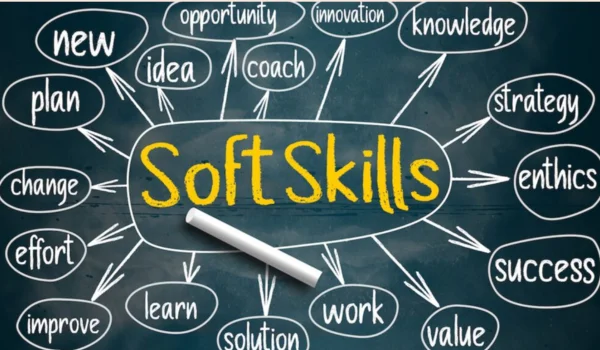
Soft skills are personal and interpersonal abilities that affect how you interact with people and manage your work.
Unlike technical skills, which are related to specific job knowledge, soft skills focus on:
- Communication
- Behaviour
- Problem-solving
- Teamwork
- Adaptability
- Leadership
Employers value these skills because they influence workplace performance and professional growth.
Why Do Employers Value Soft Skills?
Companies need employees who can:
- Work effectively with teams
- Communicate ideas clearly
- Handle workplace challenges
- Learn new skills
- Build positive relationships
- Take responsibility
A candidate with strong soft skills can often adapt better to changing work environments.
Soft Skills Employers Value More Than Degrees
- Communication Skills
Communication is one of the most important skills in any workplace.
Employees need to communicate clearly through:
- Emails
- Meetings
- Presentations
- Conversations
Good communication helps in:
- Avoiding misunderstandings
- Sharing ideas
- Building professional relationships
- Working efficiently with others
A person with strong communication skills can create a better impression even with limited experience.
- Problem-Solving Skills
Employers value people who can find solutions instead of only identifying problems.
Strong problem-solving skills include:
- Analysing situations
- Thinking logically
- Finding practical solutions
- Making informed decisions
Every workplace faces challenges, and employees who can handle them become valuable team members.
- Adaptability and Flexibility
Work environments constantly change due to:
- New technology
- Market conditions
- Business requirements
- Changing responsibilities
Adaptable employees can:
- Learn quickly
- Accept changes positively
- Adjust to new situations
Companies prefer people who can grow with changing demands.
- Teamwork Skills
Most jobs require working with others.
Good teamwork involves:
- Respecting different opinions
- Supporting colleagues
- Sharing responsibilities
- Cooperating toward common goals
Employees who work well in teams help create a productive workplace.
- Emotional Intelligence
Emotional intelligence means understanding and managing your own emotions while responding well to others.
It includes:
- Self-awareness
- Patience
- Empathy
- Emotional control
Employees with emotional intelligence often handle workplace pressure and relationships better.
- Time Management
Employers value people who can complete work efficiently.
Good time management includes:
- Setting priorities
- Meeting deadlines
- Organising tasks
- Avoiding unnecessary delays
A person who manages time well can handle responsibilities more effectively.
- Leadership Skills
Leadership is not only about managing a team. It also means taking responsibility and showing initiative.
Leadership skills include:
- Decision-making
- Taking ownership
- Motivating others
- Guiding teammates
Even fresh graduates can demonstrate leadership through their attitude and actions.
- Creativity and Innovation
Companies appreciate employees who can think differently.
Creativity helps in:
- Developing new ideas
- Improving processes
- Finding better solutions
Creative thinking can help businesses solve problems and grow.
- Critical Thinking
Critical thinking means analysing information before making decisions.
It involves:
- Asking the right questions
- Evaluating options
- Understanding situations clearly
- Making logical decisions
Employers value employees who can think independently.
- Work Ethics
A strong work ethic creates trust between employees and employers.
It includes:
- Being responsible
- Completing tasks honestly
- Showing discipline
- Respecting workplace rules
Employees with good work ethics are often trusted with more responsibilities.
- Learning Ability
The ability to learn continuously is highly valuable.
Industries change quickly, so employers prefer people who:
- Learn new skills
- Accept feedback
- Improve themselves
- Stay curious
A willingness to learn can sometimes matter more than existing knowledge.
- Confidence
Confidence helps employees express ideas and take action.
Professional confidence includes:
- Sharing opinions respectfully
- Taking initiative
- Handling challenges positively
Confidence should be combined with humility and willingness to learn.
- Networking Skills
Building professional relationships can create career opportunities.
Networking skills help you:
- Connect with colleagues
- Build industry relationships
- Learn from experienced professionals
- Discover new opportunities
Strong professional networks can support long-term career growth.
- Attention to Detail
Small mistakes can affect business results.
Employees with attention to detail can:
- Check their work carefully
- Identify errors
- Maintain quality standards
This skill is especially valuable in fields where accuracy matters.
- Stress Management
Work pressure is common in most careers.
Employees who manage stress well can:
- Stay productive
- Make better decisions
- Maintain professional behaviour
Healthy stress management improves workplace performance.
Soft Skills vs Degree: What Employers Look For
| Degree Provides | Soft Skills Provide |
| Subject knowledge | Ability to apply knowledge |
| Academic qualification | Workplace effectiveness |
| Technical foundation | Better communication and teamwork |
| Career eligibility | Career growth potential |
| Learning background | Adaptability and problem-solving |
A degree may help you enter a career, but soft skills often influence how far you progress.
How to Improve Soft Skills
- Practice Communication Daily
Improve by:
- Reading regularly
- Speaking clearly
- Listening actively
- Participating in discussions
- Accept Feedback
Feedback helps identify areas for improvement.
Learn to:
- Listen without becoming defensive
- Understand suggestions
- Apply improvements
- Work With Different People
Interacting with different personalities improves:
- Teamwork
- Understanding
- Adaptability
- Take Responsibility
Develop professional maturity by:
- Completing tasks on time
- Accepting mistakes
- Finding solutions
- Keep Learning
Improve soft skills through:
- Books
- Online courses
- Practice
- Real-life experiences
Common Mistakes That Hurt Professional Growth
Ignoring Communication Skills
Good technical knowledge is less useful if you cannot explain your ideas.
Avoiding Teamwork
Most workplaces require cooperation.
Resisting Change
A fixed mindset can limit career growth.
Not Accepting Feedback
Growth requires learning from mistakes.
Focusing Only on Qualifications
A degree alone does not guarantee workplace success.
Soft Skills Every Professional Should Develop
✓ Communication skills
✓ Problem-solving ability
✓ Teamwork
✓ Adaptability
✓ Time management
✓ Leadership
✓ Emotional intelligence
✓ Creativity
✓ Critical thinking
✓ Work ethics
Final Thoughts
Degrees and qualifications can open the door to career opportunities, but soft skills help you succeed after entering the workplace. Employers increasingly value employees who can communicate effectively, solve problems, adapt to changes, and work well with others.
Developing soft skills is a continuous process that can improve your confidence, career growth, and professional relationships. A strong combination of knowledge and soft skills creates a more successful and capable professional.