Creating a resume without any work experience can feel challenging, especially for fresh graduates, students, or people starting their first job. Many people think a resume is only about listing previous jobs, but that is not true.
A good resume can highlight your skills, education, projects, achievements, and potential. Employers often look for candidates who show willingness to learn, relevant abilities, and a professional attitude.
Even without formal work experience, you can create a strong resume by presenting your strengths effectively.
Why Is a Resume Important Without Experience?
A resume helps employers understand:
- Your educational background
- Your skills and abilities
- Your interests and career goals
- Your achievements
- Your suitability for the role
A well-written resume can create a positive first impression and increase your chances of getting an interview.
Steps to Build a Resume Without Work Experience
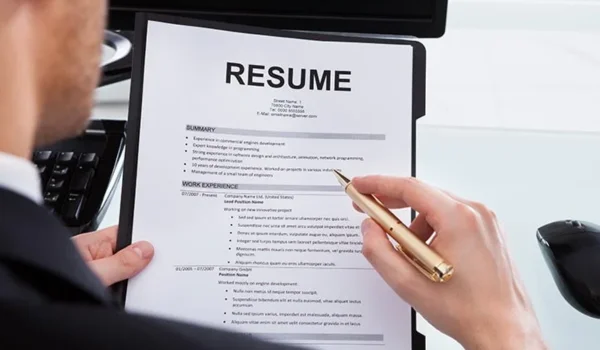
- Start With a Clear Resume Format
A clean and simple format makes your resume easier to read.
A beginner resume should usually include:
- Contact information
- Career objective
- Education
- Skills
- Projects
- Internships (if any)
- Certifications
- Achievements
- Extra activities
Avoid using complicated designs or too many graphics. A professional and organised layout works better.
- Add a Strong Career Objective
Since you do not have work experience, a career objective helps explain your goals and strengths.
A good objective should mention:
- Your education background
- Your skills
- Your interest in the role
- Your willingness to learn
Example:
“Motivated graduate with strong communication and problem-solving skills seeking an opportunity to apply my knowledge and develop professional experience.”
Keep it short and focused.
- Highlight Your Education
For beginners, education is an important part of the resume.
Include:
- Degree or course name
- School/college name
- Year of completion
- Relevant subjects
- Academic achievements
If you have good academic performance, mention it.
Example:
- Bachelor of Commerce – XYZ University
- Completed in 2025
- Relevant areas: Accounting, Finance, Business Management
- Focus on Your Skills
Skills can show employers what you can offer even without experience.
Include relevant skills such as:
Technical Skills
Depending on the job:
- MS Office
- Basic computer knowledge
- Data analysis
- Programming skills
- Digital marketing
- Graphic design tools
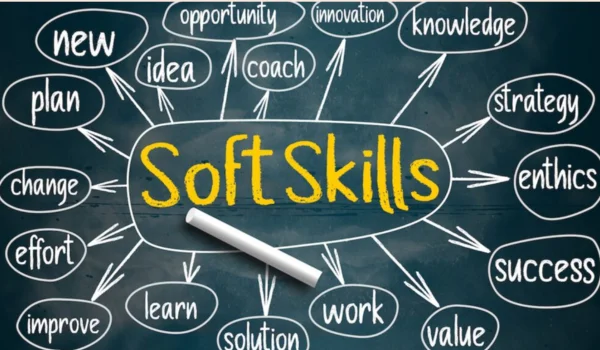
Soft Skills
Examples:
- Communication
- Teamwork
- Time management
- Problem-solving
- Adaptability
- Leadership
Choose skills that match the job requirements.
- Include Academic Projects
Projects are valuable because they show practical application of your knowledge.
Mention:
- Project title
- Your role
- Tools or methods used
- Results or learning
Examples:
- College research project
- Business case study
- Website development project
- Marketing assignment
Projects can demonstrate your ability to apply skills.
- Add Internships and Training Programs
Even short internships or training experiences can strengthen your resume.
Include:
- Organisation name
- Duration
- Responsibilities
- Skills learned
Examples:
- Summer internship
- Online training
- Industry workshops
- Volunteer experience
These experiences show initiative and willingness to learn.
- Mention Certifications
Certifications can help prove your knowledge in specific areas.
Examples:
- Computer courses
- Language certifications
- Digital marketing courses
- Technical certifications
- Professional skill courses
Choose certifications related to your career goal.
- Add Achievements and Activities
Do not ignore achievements outside academics.
You can include:
- Competition participation
- Sports achievements
- Leadership roles
- Event organisation
- Volunteer work
These activities can show skills like teamwork, discipline, and responsibility.
- Use Keywords From the Job Description
Many companies use software to scan resumes.
To improve your chances:
- Read the job description carefully
- Identify important skills
- Use relevant keywords naturally
For example, if a job requires “customer communication,” include related skills if you genuinely have them.
- Keep Your Resume Short and Relevant
For freshers, a one-page resume is usually enough.
Avoid adding:
- Unnecessary personal details
- Long paragraphs
- Irrelevant information
- False experience
Focus on information that supports your job application.
Resume Structure for Freshers Without Experience
- Contact Information
Include:
- Full name
- Phone number
- Professional email address
- Location
- LinkedIn profile (if available)
- Career Objective
A short statement about your career goals and strengths.
- Education
List your latest qualification first.
- Skills
Mention technical and soft skills.
- Projects
Highlight practical work.
- Certifications
Add relevant courses and training.
- Achievements and Activities
Include accomplishments and responsibilities.
Things Freshers Should Avoid in a Resume
- Writing “No Experience”
Do not highlight your lack of experience.
Instead, focus on:
- Skills
- Learning ability
- Projects
- Education
- Adding False Information
Never include fake experience or skills.
Employers may verify information.
- Using an Unprofessional Email Address
Use a simple professional email format.
Avoid casual usernames.
- Making Spelling and Grammar Mistakes
Errors can create a poor impression.
Always proofread your resume.
- Sending the Same Resume Everywhere
Customise your resume according to the job role.
Different jobs require different skills.
Example Skills Section for Freshers
Technical Skills
- MS Office
- Basic data handling
- Internet research
- Digital tools
Soft Skills
- Communication
- Team collaboration
- Problem-solving
- Time management
- Quick learning ability
How to Make Your Resume More Attractive
Build a Portfolio
Depending on your field, create examples of your work.
Examples:
- Writing samples
- Design projects
- Coding projects
- Marketing campaigns
Improve Your Online Presence
Create a professional profile on platforms related to your career.
Keep information consistent across:
- Resume
- Professional profiles
- Portfolio
Gain Practical Experience
Even before getting a job, you can gain experience through:
- Internships
- Volunteer work
- Freelance projects
- Personal projects
Resume Checklist for Freshers
✓ Use a clean format
✓ Add a strong objective
✓ Highlight education
✓ Mention relevant skills
✓ Include projects
✓ Add certifications
✓ Check grammar and spelling
✓ Customize for each job
✓ Keep it one page
✓ Be honest
Final Thoughts
Building a resume without work experience is possible when you focus on your skills, education, projects, and potential. Employers understand that beginners may not have professional experience, but they want to see enthusiasm, learning ability, and relevant capabilities.
A well-prepared resume can help you create a strong first impression and open opportunities for your career. Focus on what you can offer, not only what you have done in the past.