Many people use the terms physical fitness and good health as if they mean the same thing. While both are connected, they are not identical.
Physical fitness mainly focuses on your body’s ability to perform physical activities, while good health includes your complete physical, mental, and emotional well-being.
A person can be physically fit but still have health issues, and someone may have good overall health without being highly athletic.
Understanding the difference helps you create a balanced lifestyle.
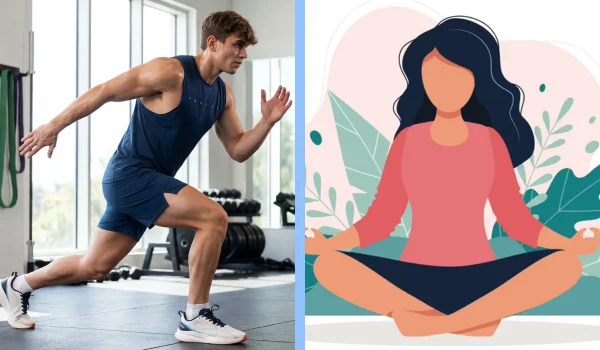
What Is Physical Fitness?
Physical fitness refers to the body’s ability to perform daily activities efficiently without excessive tiredness.
It is mainly related to:
- Strength
- Stamina
- Flexibility
- Balance
- Physical performance
A physically fit person can usually handle activities such as walking, running, lifting, or exercising more easily.
Components of Physical Fitness
- Strength
Strength is the ability of muscles to apply force.
Examples:
- Lifting objects
- Carrying bags
- Performing exercises
Strong muscles help with daily activities and body stability.
- Endurance
Endurance is the ability to continue physical activity for a longer time.
Examples:
- Walking long distances
- Cycling
- Swimming
- Running
Good endurance helps reduce tiredness during activities.
- Flexibility
Flexibility refers to how easily your joints and muscles can move.
Good flexibility helps:
- Improve movement
- Reduce stiffness
- Support better posture
- Balance and Coordination
Balance helps you control your body movements.
It is important for:
- Daily activities
- Sports
- Preventing falls
What Is Good Health?
Good health is a broader concept that includes the overall condition of your body and mind.
It includes:
- Physical health
- Mental health
- Emotional well-being
- Healthy lifestyle habits
A healthy person can function well in daily life and maintain overall well-being.
Different Areas of Good Health
- Physical Health
Physical health includes:
- Proper body functioning
- Healthy organs
- Good nutrition
- Regular activity
- Disease prevention
It is not only about being strong or athletic.
- Mental Health
Mental health involves:
- Managing stress
- Maintaining focus
- Handling emotions
- Developing a positive mindset
A person can be physically strong but struggle with mental health challenges.
- Emotional Health
Emotional health relates to:
- Understanding feelings
- Managing emotions
- Building healthy relationships
It helps people handle life’s challenges effectively.
- Lifestyle Health
Healthy lifestyle habits include:
- Balanced eating
- Good sleep
- Proper hydration
- Avoiding harmful habits
- Regular health checkups
Physical Fitness vs Good Health: Key Differences
| Feature | Physical Fitness | Good Health |
| Meaning | Ability to perform physical activities | Overall state of physical, mental, and emotional well-being |
| Main Focus | Body performance and fitness level | Complete wellness |
| Includes | Strength, stamina, flexibility, balance | Physical, mental, emotional, and lifestyle factors |
| Measured By | Fitness tests, exercise ability, physical performance | Health indicators, lifestyle habits, and overall well-being |
| Goal | Improve physical abilities | Maintain a healthy and balanced life |
| Example | Running faster or lifting heavier weights | Feeling energetic, mentally balanced, and physically well |
Can Someone Be Fit but Not Healthy?
Yes, physical fitness does not always mean complete health.
Examples:
- An athlete may be physically strong but have poor sleep habits.
- A person may exercise regularly but have unhealthy eating habits.
- Someone may have high fitness levels but experience stress or emotional problems.
Fitness is only one part of overall health.
Can Someone Be Healthy Without Being Very Fit?
Yes, a person can have good health without being highly athletic.
For example:
- Someone who walks daily
- Eats balanced food
- Sleeps well
- Manages stress
may have good overall health even if they cannot run long distances or lift heavy weights.
How to Improve Physical Fitness
To improve fitness levels:
Exercise Regularly
Include:
- Walking
- Strength training
- Stretching
- Cardio activities
Stay Active Daily
Simple activities like:
- Taking stairs
- Walking more
- Doing household tasks
can increase movement.
Improve Strength and Flexibility
Practice exercises that support:
- Muscle strength
- Joint movement
- Balance
How to Improve Overall Health
Eat a Balanced Diet
Include:
- Fruits
- Vegetables
- Protein sources
- Whole grains
Sleep Properly
Good sleep supports:
- Energy
- Recovery
- Mental function
Manage Stress
Helpful activities include:
- Meditation
- Deep breathing
- Hobbies
- Spending time with loved ones
Maintain Preventive Care
Regular health checkups can help identify problems early.
Why Both Fitness and Health Are Important?
Physical fitness and good health support each other.
Fitness helps you:
- Stay active
- Build strength
- Improve physical ability
Good health helps you:
- Maintain energy
- Prevent illness
- Enjoy daily life
A balanced lifestyle should focus on both rather than only one.
Simple Ways to Maintain Fitness and Health Together
✓ Exercise regularly
✓ Eat nutritious food
✓ Drink enough water
✓ Sleep well
✓ Manage stress
✓ Maintain a healthy weight
✓ Stay socially connected
✓ Avoid harmful habits
✓ Get regular health checkups
Final Thoughts
Physical fitness and good health are related but different concepts. Physical fitness focuses mainly on your body’s ability to perform activities, while good health covers your complete physical, mental, and emotional well-being.
A truly healthy lifestyle requires a balance of both. Building strength and stamina is important, but taking care of your mind, nutrition, sleep, and overall wellness is equally necessary for a healthier and happier life.