An emergency fund is one of the most important parts of a healthy financial plan. It helps you handle unexpected expenses such as medical emergencies, job loss, car repairs, home repairs, or urgent family needs without relying on loans or credit cards. Whether you are a salaried employee, self-employed, or running a business, having an emergency fund can provide financial security and peace of mind. This guide explains how to build an emergency fund in India, how much you should save, and where to keep the money.
Quick Highlights
| Feature | Details |
| Purpose | Cover unexpected expenses |
| Recommended Amount | Generally 3–6 months of essential expenses (more in some situations) |
| Risk Level | Low |
| Liquidity | High |
| Best Place to Keep | Savings account, sweep-in account, or other highly liquid options |
What Is an Emergency Fund?
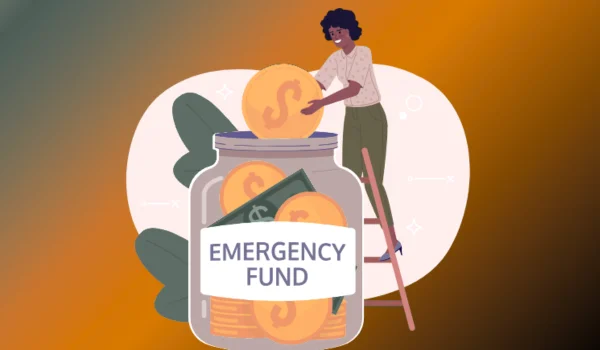
An emergency fund is money set aside specifically for unexpected financial situations.
It should only be used for genuine emergencies, such as:
- Medical emergencies
- Job loss
- Sudden reduction in income
- Major home repairs
- Car or bike repairs
- Emergency travel
- Family emergencies
It is not meant for vacations, shopping, gadgets, or other planned expenses.
Why Is an Emergency Fund Important?
Having an emergency fund helps you:
- Avoid taking personal loans during emergencies
- Reduce dependence on credit cards
- Manage financial stress
- Continue paying monthly bills during income loss
- Protect your long-term investments from premature withdrawals
How Much Emergency Fund Should You Have?
The amount depends on your income, job stability, and family responsibilities.
General Recommendation
| Your Situation | Suggested Emergency Fund |
| Single with stable job | 3–6 months of essential expenses |
| Married couple | 6 months of essential expenses |
| Self-employed | 6–12 months of essential expenses |
| Business owner | 6–12 months of essential expenses |
| Retired individuals | Based on monthly expenses and other income sources |
How to Calculate Your Emergency Fund
Calculate your essential monthly expenses, including:
- House rent or home loan EMI
- Groceries
- Electricity and utility bills
- School fees
- Insurance premiums
- Transport expenses
- Mobile and internet bills
- Medicine and healthcare
- Other essential household expenses
Example
| Expense | Monthly Cost |
| Rent | ₹18,000 |
| Groceries | ₹10,000 |
| Utilities | ₹4,000 |
| EMI | ₹12,000 |
| Transport | ₹5,000 |
| Insurance | ₹3,000 |
| Other essentials | ₹8,000 |
| Total | ₹60,000 |
If your essential monthly expenses are ₹60,000, a six-month emergency fund would be approximately ₹3.6 lakh.
Where Should You Keep Your Emergency Fund?
Your emergency fund should be:
- Safe
- Easily accessible
- Low risk
Suitable options include:
- Savings Account
- Instant access
- Easy withdrawals
- Suitable for immediate emergencies
- Sweep-in Fixed Deposit
- Earns better interest than a regular savings account in many cases
- Money remains accessible through the linked account, subject to bank terms
- Liquid Mutual Funds
Liquid mutual funds invest in short-term debt instruments and are often used for emergency funds because they generally offer quick redemption. However, they are market-linked and do not guarantee returns.
- Short-Term Fixed Deposits
Useful if you maintain a portion of your emergency fund in deposits with shorter tenures, while keeping enough cash readily available.
How to Build an Emergency Fund
Step 1: Set a Target
Decide how many months of expenses you want to cover.
Step 2: Open a Separate Account
Keep your emergency savings separate from your regular spending account.
Step 3: Save Every Month
Transfer a fixed amount each month through:
- Standing instructions
- Auto-debit
- Salary account transfers
Step 4: Increase Savings Gradually
As your income grows, increase your monthly contribution.
Step 5: Use It Only for Emergencies
Avoid using the fund for planned purchases or discretionary spending.
Who Needs an Emergency Fund?
Everyone can benefit from an emergency fund, especially:
- Salaried employees
- Freelancers
- Self-employed professionals
- Business owners
- Families with children
- Senior citizens
- New investors
Common Mistakes to Avoid
- Investing the entire emergency fund in high-risk assets
- Keeping too little cash for immediate needs
- Using the fund for vacations or shopping
- Not rebuilding the fund after using it
- Mixing emergency savings with daily spending money
Emergency Fund vs Savings Account
| Feature | Emergency Fund | Regular Savings |
| Purpose | Unexpected expenses | General savings |
| Usage | Emergencies only | Any purpose |
| Investment Horizon | Short-term | Short or long-term |
| Liquidity | High | High |
Emergency Fund vs Investment
| Emergency Fund | Investments |
| For financial emergencies | For wealth creation |
| High liquidity | Liquidity varies |
| Low risk | Risk depends on the investment |
| Short-term purpose | Long-term financial goals |
Both are important and serve different purposes.
Tips for Building an Emergency Fund
- Start saving as early as possible.
- Automate your monthly savings.
- Review your target annually.
- Increase the fund if your expenses rise.
- Keep part of the fund immediately accessible.
Frequently Asked Questions
How much should I save in an emergency fund?
Many financial planners recommend saving 3–6 months of essential living expenses. If your income is irregular or you are self-employed, a larger emergency fund of 6–12 months may be more appropriate.
Can I invest my emergency fund in stocks?
Generally, no. Since emergencies require quick access to money, most experts recommend keeping emergency funds in low-risk, highly liquid options rather than market-linked investments like stocks.
Should I keep all my emergency money in a savings account?
Not necessarily. Some people keep part of the fund in a savings account for immediate access and the rest in other low-risk, liquid options such as sweep-in deposits or liquid mutual funds.
Is an emergency fund different from savings?
Yes. An emergency fund is reserved only for unexpected financial emergencies, while regular savings can be used for planned expenses.
What should I do after using my emergency fund?
Rebuild it as soon as your financial situation allows so you remain prepared for future emergencies.
Emergency Fund Checklist
| Checklist | Status |
| Monthly expenses calculated | ✔ |
| Savings target decided | ✔ |
| Separate account opened | ✔ |
| Automatic monthly savings started | ✔ |
| Fund reviewed annually | ✔ |
| Used only for emergencies | ✔ |
Conclusion
An emergency fund is the foundation of a strong financial plan. It protects you from unexpected expenses, reduces the need for borrowing, and helps you stay financially stable during difficult times. Most individuals can benefit from saving at least 3–6 months of essential expenses, while those with irregular income may consider a larger cushion. By saving consistently, keeping the money in safe and liquid options, and using it only for genuine emergencies, you can improve your financial security and protect your long-term investment goals.