When shopping for food, you may see labels like organic, natural, or regular on different products. Many people assume these terms mean the same thing, but they have different meanings.
Understanding the difference can help you make better food choices based on your health goals, budget, and personal preferences.
What Are Organic Foods?
Organic foods are produced using farming methods that follow specific standards and avoid many synthetic chemicals and artificial inputs.
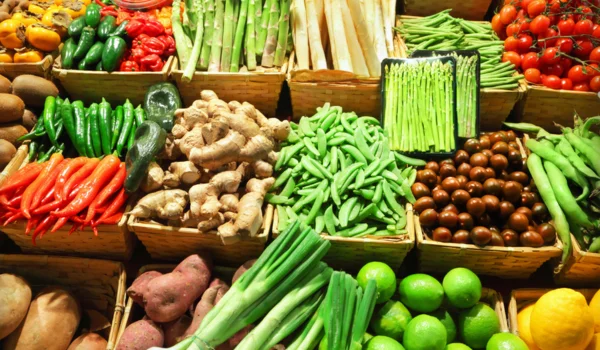
Organic farming focuses on:
- Natural farming practices
- Soil health
- Environmental protection
- Responsible use of resources
Organic foods can include:
- Fruits and vegetables
- Grains
- Pulses
- Dairy products
- Meat and eggs
Features of Organic Foods
Organic farming generally avoids:
- Synthetic pesticides
- Artificial fertilisers
- Genetically modified organisms (GMOs) in many certification systems
- Certain chemical treatments
Farmers may use:
- Compost
- Natural fertilisers
- Crop rotation
- Biological pest control methods
What Are Natural Foods?
The term natural food generally means food that has been minimally processed and does not contain artificial colours, flavours, or synthetic ingredients.
However, the meaning of “natural” can vary depending on the product and regulations.
Examples of natural foods:
- Fresh fruits
- Vegetables
- Nuts
- Whole grains
- Minimally processed foods
A product labelled “natural” does not always mean it is organic.
For example, a juice may be labelled natural because it contains natural ingredients, but the fruits used may not have been grown through organic farming methods.
What Are Regular Foods?
Regular foods are commonly available foods produced through standard farming and manufacturing methods.
They may involve:
- Conventional farming practices
- Synthetic fertilisers
- Approved pesticides
- Standard food processing methods
Regular foods include most everyday products available in markets.
Examples:
- Regular vegetables
- Packaged foods
- Conventional dairy products
- Common grains
Regular foods are generally more affordable and widely available.
Key Differences Between Organic, Natural, and Regular Foods
| Basis | Organic Foods | Natural Foods | Regular Foods |
| Meaning | Produced according to organic farming standards | Usually minimally processed with fewer artificial ingredients | Produced using common farming and processing methods |
| Farming Method | Uses organic farming practices | Can be organic or conventional | Conventional farming methods |
| Chemical Use | Limited use of synthetic chemicals | Depends on production method | May use approved pesticides and fertilisers |
| Processing | Usually follows organic processing rules | Usually less processed | Can be processed in different ways |
| Certification | Usually requires certification | May not require certification | Follows general food regulations |
| Cost | Usually more expensive | Varies | Usually more affordable |
Are Organic Foods Healthier?
Organic foods are often preferred because they may reduce exposure to certain synthetic pesticides and support environmentally friendly farming practices.
However, a healthy diet depends on many factors, including:
- Overall food quality
- Variety of foods
- Nutritional balance
- Freshness
- Cooking methods
Organic food is not automatically healthier if the overall diet is poor.
For example, an organic snack with high sugar content may not be a healthier choice than a fresh regular fruit.
Are Natural Foods Always Healthy?
Not necessarily.
The word “natural” can sometimes create confusion because a product may contain natural ingredients but still have:
- High sugar
- High salt
- Excess calories
- Low nutritional value
Always check the complete ingredient list and nutrition information.
Benefits of Organic Foods
- Reduced Chemical Exposure
Organic farming limits the use of certain synthetic pesticides and fertilisers.
- Supports Sustainable Farming
Organic methods may help:
- Improve soil quality
- Protect biodiversity
- Reduce environmental impact
- Encourages Responsible Food Production
Organic farming focuses on long-term agricultural practices.
Benefits of Natural Foods
- Less Processing
Many natural foods are closer to their original form.
Examples:
- Fresh fruits
- Vegetables
- Nuts
- Fewer Artificial Ingredients
Natural products may contain fewer artificial additives.
- Better Food Awareness
Choosing natural foods encourages people to read labels and understand ingredients.
Benefits of Regular Foods
- More Affordable
Regular foods are usually cheaper and easier to find.
- Widely Available
They are available in:
- Local markets
- Grocery stores
- Supermarkets
- Variety of Choices
Consumers can choose from many products based on:
- Price
- Availability
- Preference
Things to Check Before Buying Food
- Read the Label
Check:
- Ingredients
- Expiry date
- Nutritional information
- Storage instructions
- Do Not Depend Only on Marketing Words
Words like:
- Natural
- Healthy
- Farm fresh
do not always tell the complete story.
Look at the actual ingredients and nutritional value.
- Check Certification for Organic Products
Certified organic products provide more assurance that they meet required standards.
- Consider Your Budget
Organic foods can be expensive. You can choose organic options selectively, especially for foods you consume frequently.
Which Foods Should You Prefer?
The best choice depends on your needs.
Choose Organic Foods If:
- You prefer organic farming methods
- You want to reduce exposure to certain chemicals
- Environmental sustainability matters to you
Choose Natural Foods If:
- You want minimally processed foods
- You prefer simple ingredients
Choose Regular Foods If:
- You need affordable options
- The product meets quality and safety standards
A balanced diet with fresh and nutritious foods is more important than choosing only one category.
Common Misunderstandings About Food Labels
- Organic Means Completely Chemical-Free
Organic farming may still use certain approved substances. It does not mean zero chemicals.
- Natural Means Organic
Natural and organic are different terms.
A natural product may not be produced using organic farming methods.
- Expensive Means Better Quality
Price does not always determine nutritional value.
Always check ingredients and freshness.
- Regular Foods Are Always Unhealthy
Regular foods can be part of a healthy diet when chosen wisely and consumed in balance.
Simple Food Buying Checklist
✓ Read labels carefully
✓ Check expiry dates
✓ Understand ingredients
✓ Choose fresh foods
✓ Compare quality and price
✓ Do not rely only on marketing claims
✓ Maintain a balanced diet
Final Thoughts
Organic, natural, and regular foods differ mainly in how they are produced, processed, and labelled. Organic foods follow specific farming standards, natural foods usually focus on minimal processing, and regular foods are produced through common methods.
The best food choice depends on your health needs, budget, and preferences. Instead of focusing only on labels, choose a balanced diet with fresh, nutritious, and quality foods.